Across local authorities, utilities, conservation organisations and infrastructure providers, towing trailers is a routine but high-risk activity. Whether transporting plant, equipment, access platforms or materials, poorly managed trailer operations expose organisations to serious safety, legal and operational consequences.
Building on our previous article exploring PUWER and professional driver training, this piece focuses specifically on trailer handling training and why it is a vital component of compliance, competence and risk reduction for organisations whose staff tow trailers as part of their role.
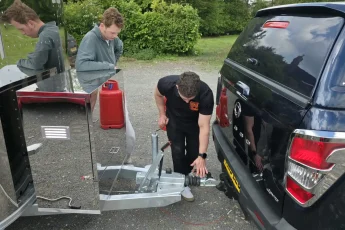
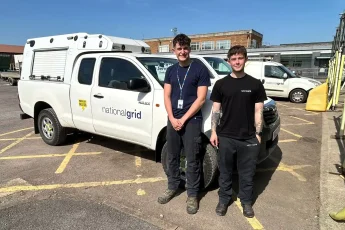
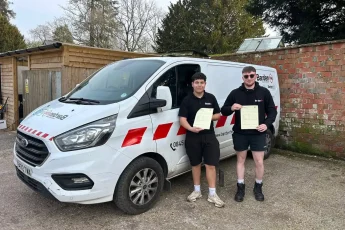
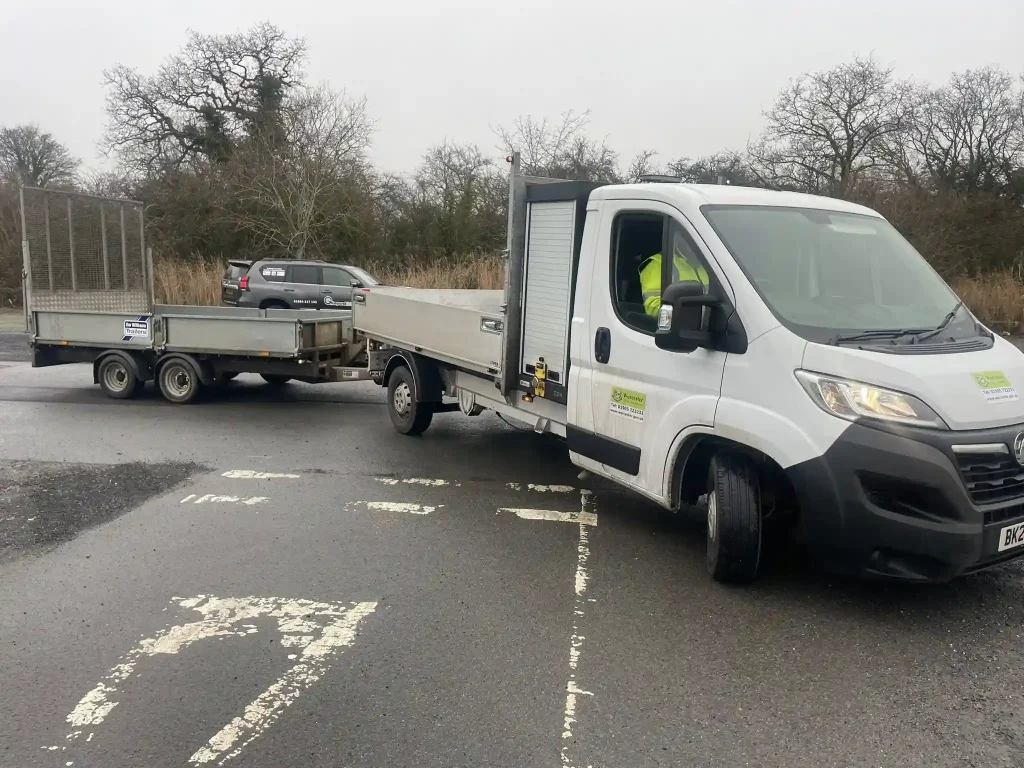
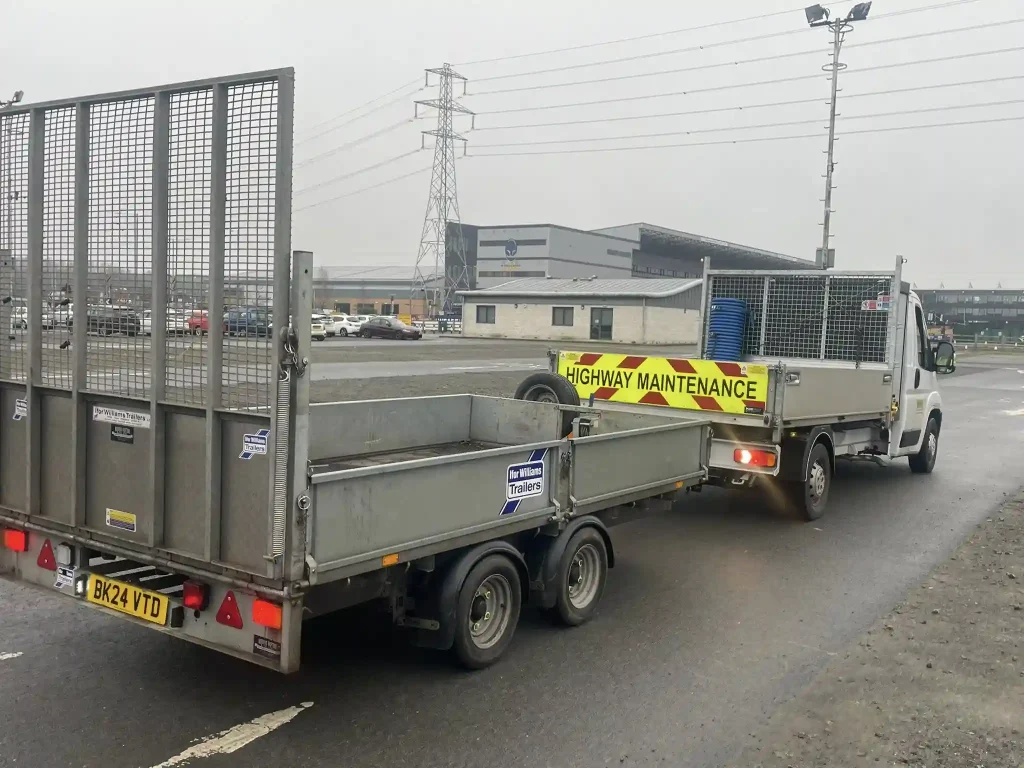
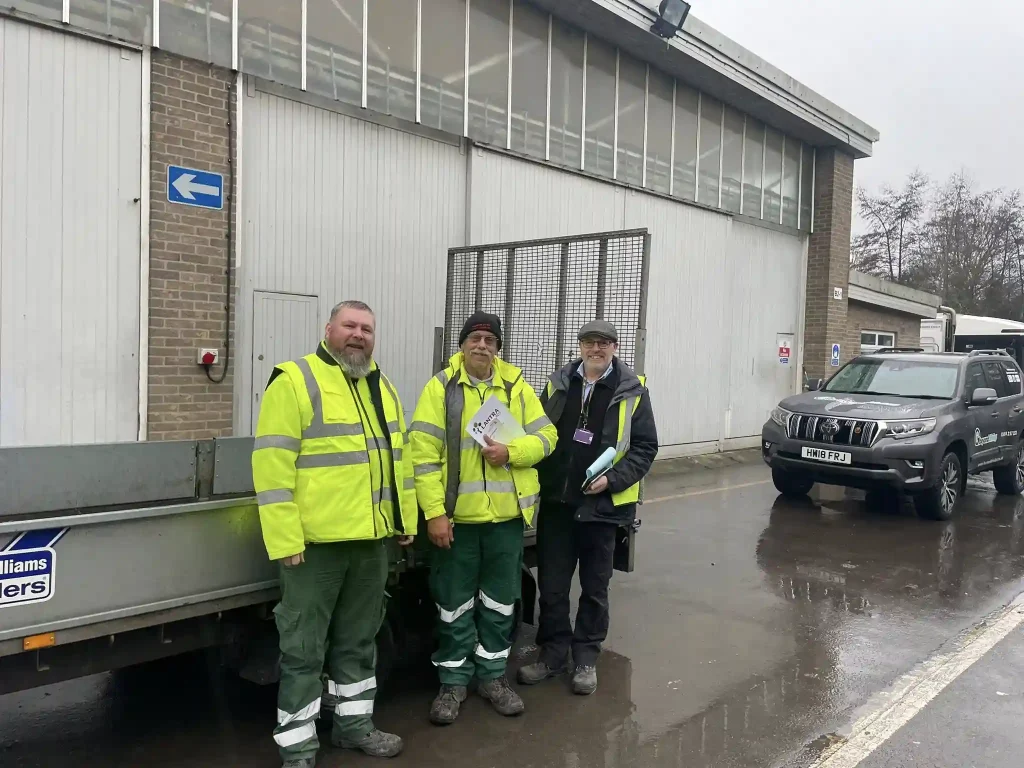
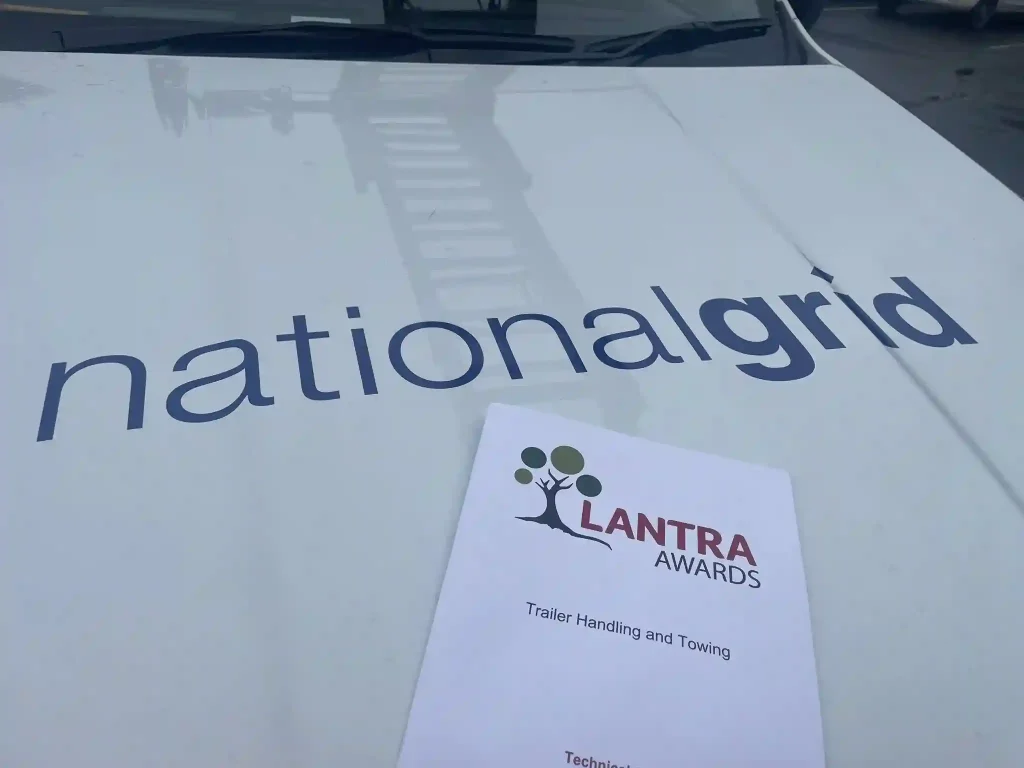
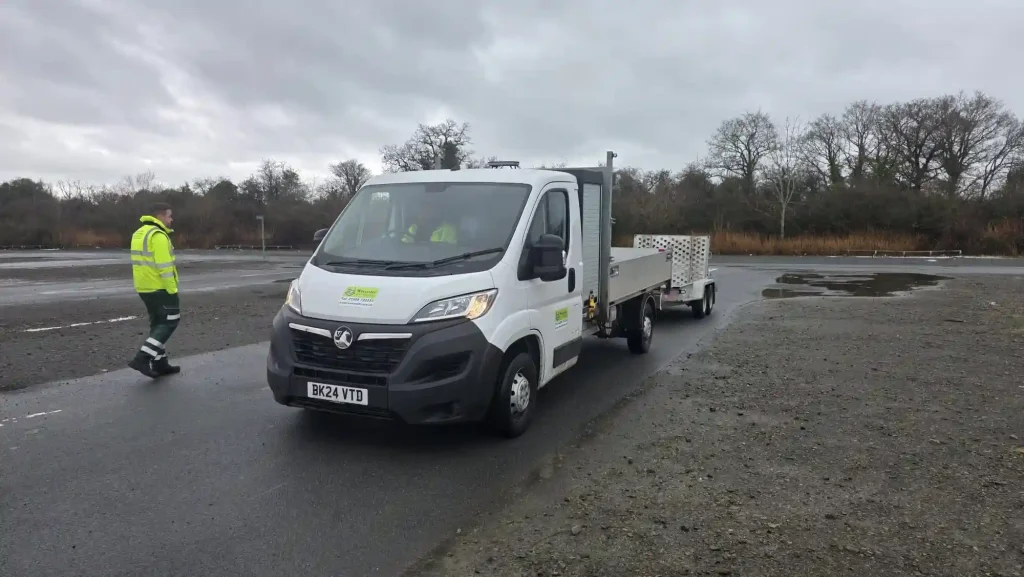
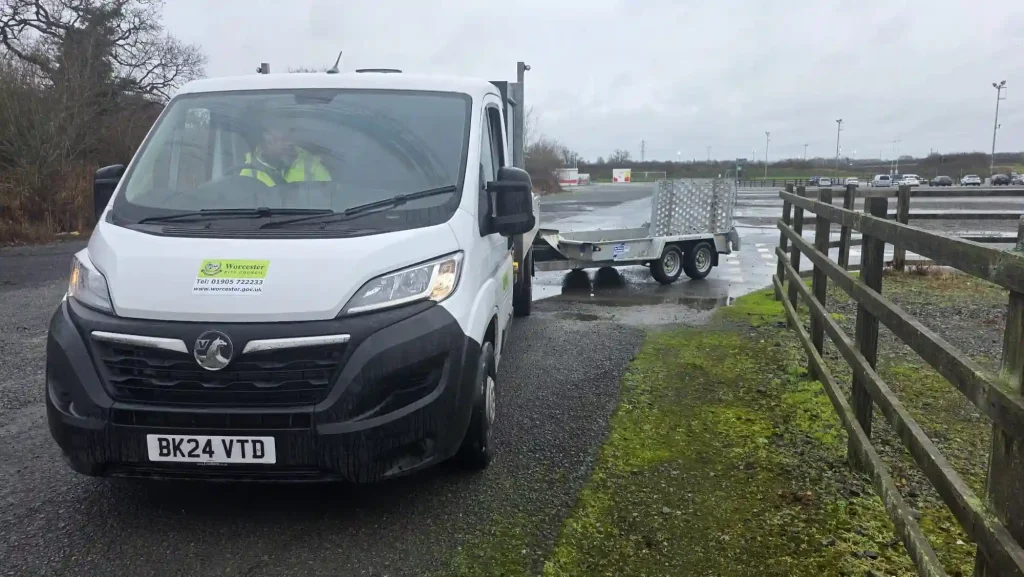
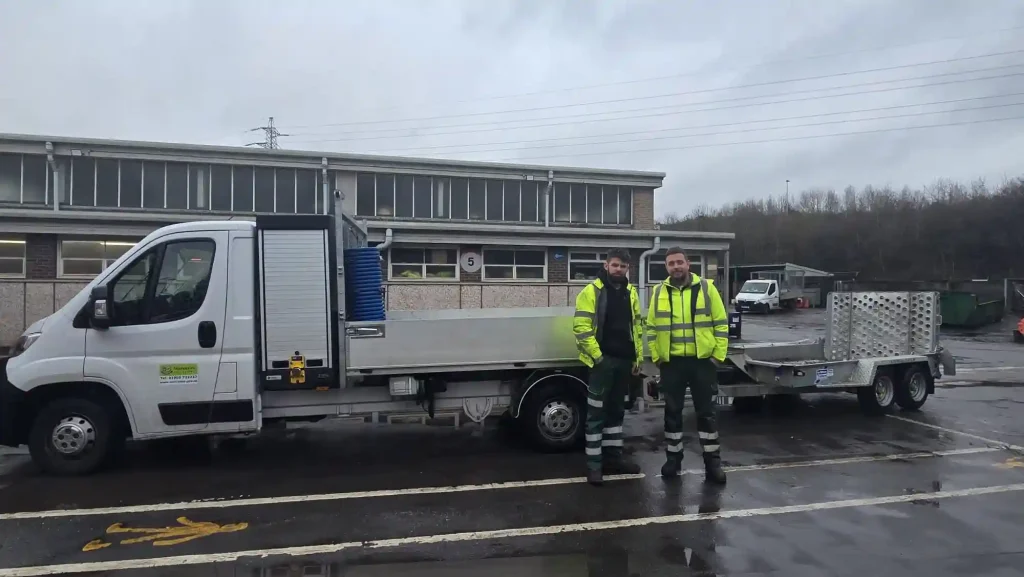
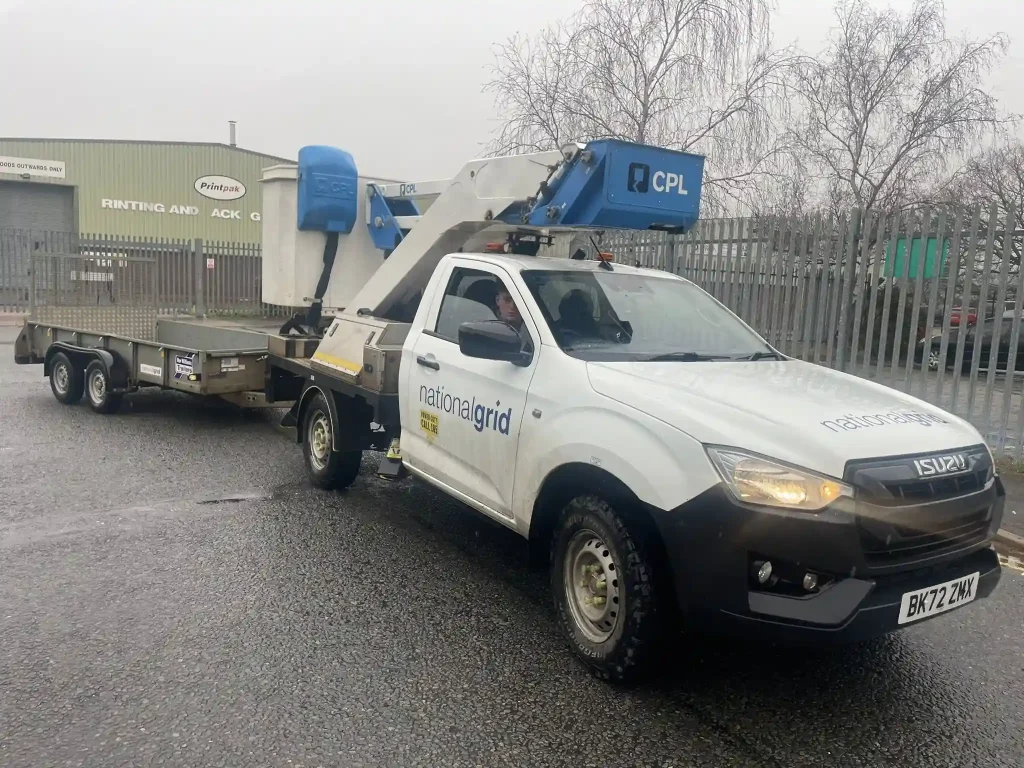
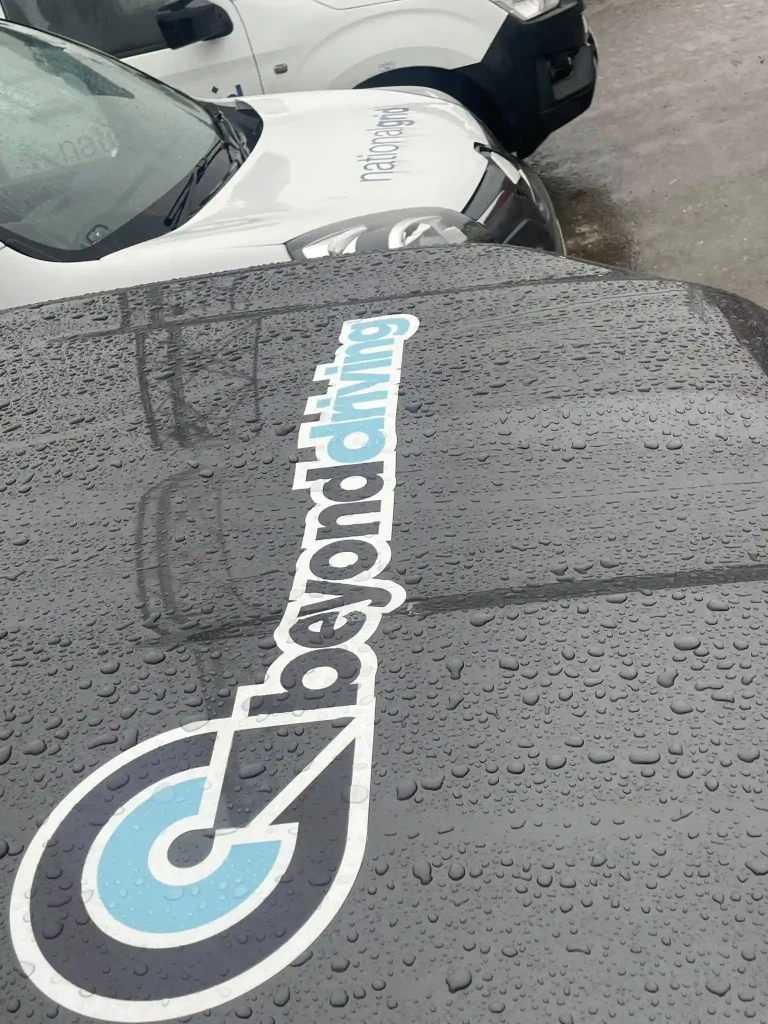
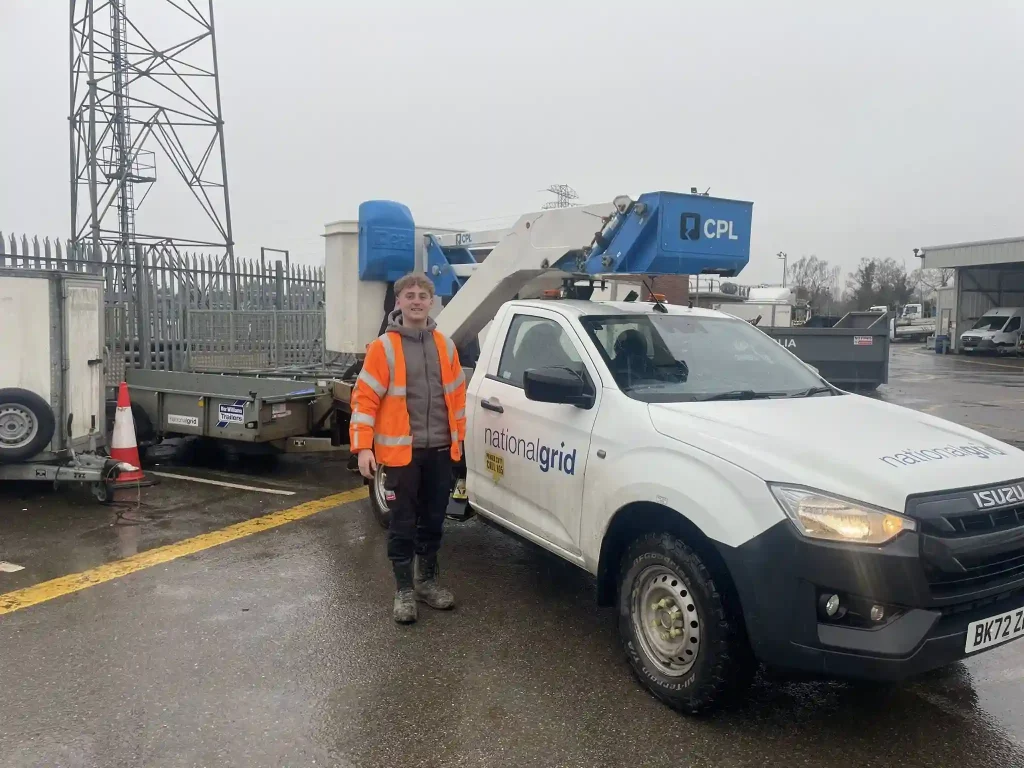
At Beyond Driving, we have been busy delivering Lantra accredited Trailer Handling training across the UK, supporting organisations including Worcester City Council, National Grid and the RSPB. These recent training days underline a simple truth: trailer handling is not a basic driving skill – it is a specialist operational competence.
PUWER and Trailer Operations: The Legal Context
The Provision and Use of Work Equipment Regulations 1998 (PUWER) place clear duties on employers to ensure that work equipment is:
- Suitable for its intended use
- Maintained in a safe condition
- Used only by people who have received adequate training
In the context of towing, trailers are classed as work equipment, and the towing vehicle forms part of a combined system. This means that any employee towing a trailer at work must be trained not only to drive, but to operate the vehicle-trailer combination safely and competently.
Relying solely on a driving licence or informal experience is not enough to meet PUWER obligations.
Why Trailer Handling Is a High-Risk Activity
Trailer incidents remain a common cause of workplace accidents, vehicle damage and near misses. Common risk factors include:
- Incorrect coupling or uncoupling
- Poor load distribution and insecure loads
- Trailer sway and instability
- Extended braking distances
- Reduced manoeuvrability in confined spaces
- Reversing incidents in depots and public areas
In sectors such as highways, utilities, environmental services and estates management, these risks are amplified by challenging environments, variable weather and time-critical operations.
Professional trailer training directly addresses these hazards.
Lantra Trailer Handling Training: Structured, Recognised, Effective
Beyond Driving delivers Lantra accredited Trailer Handling courses, providing nationally recognised certification and a consistent benchmark of competence.
The course combines theory and practical instruction, covering:
- Legal responsibilities and operator duties
- Pre-use checks for vehicles and trailers
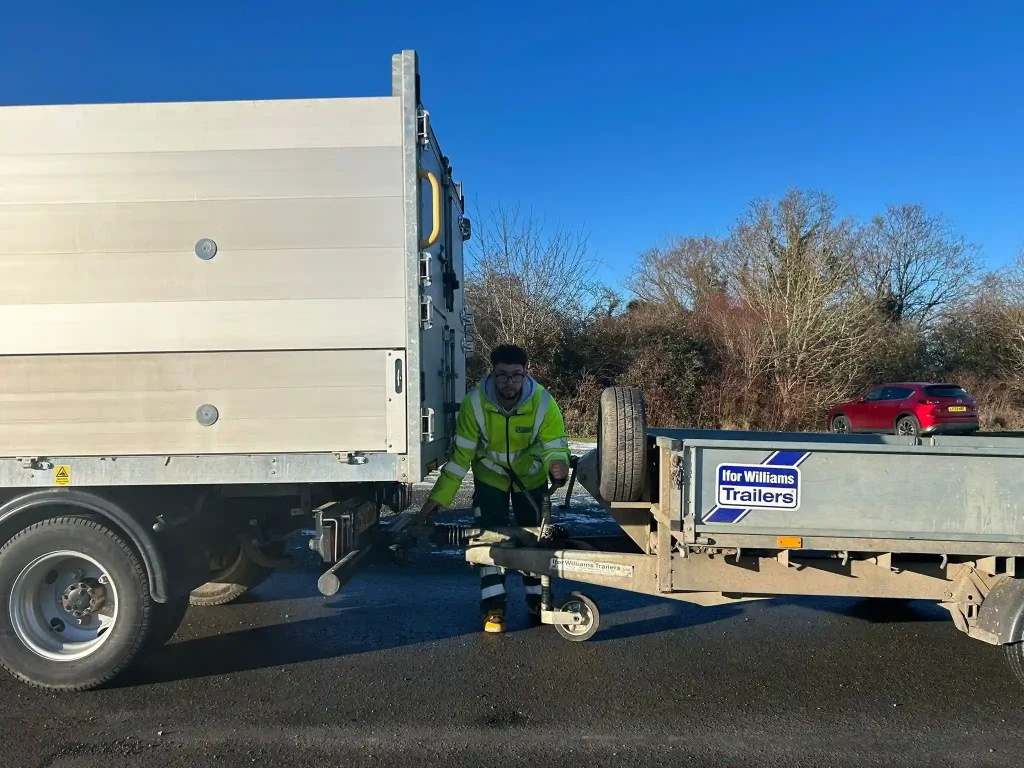
- Safe coupling and uncoupling procedures
- Load security and weight distribution
- On-road driving techniques with a trailer
- Reversing, positioning and low-speed control
- Managing gradients, junctions and roundabouts
- Emergency procedures and fault recognition
This structured approach ensures operators understand not just how to tow, but why correct technique matters.
Real-World Training Delivery: Recent Case Studies
Worcester City Council – Ongoing Trailer Handling Programme
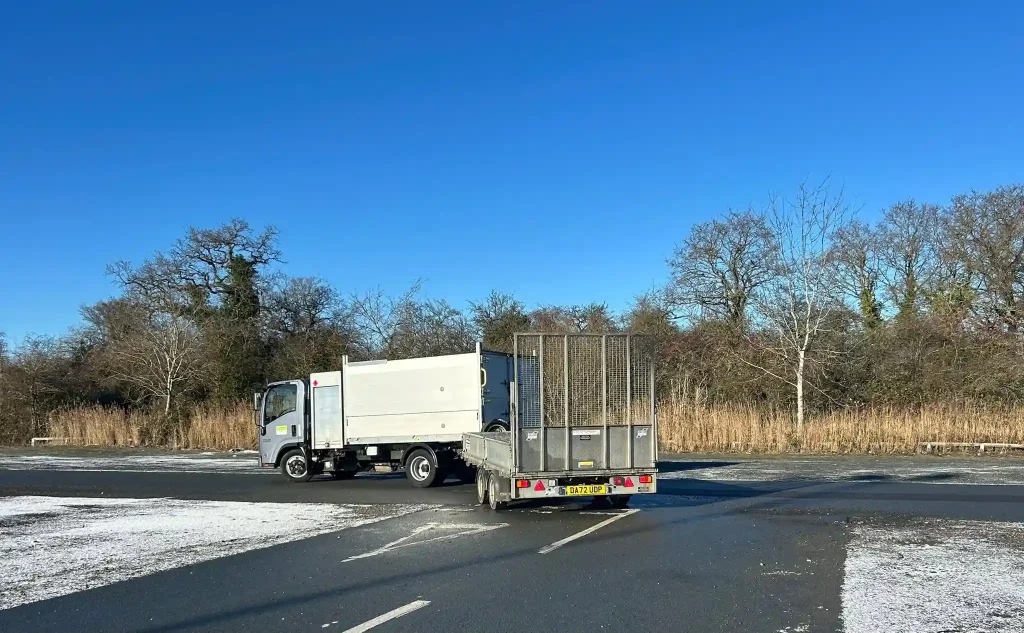
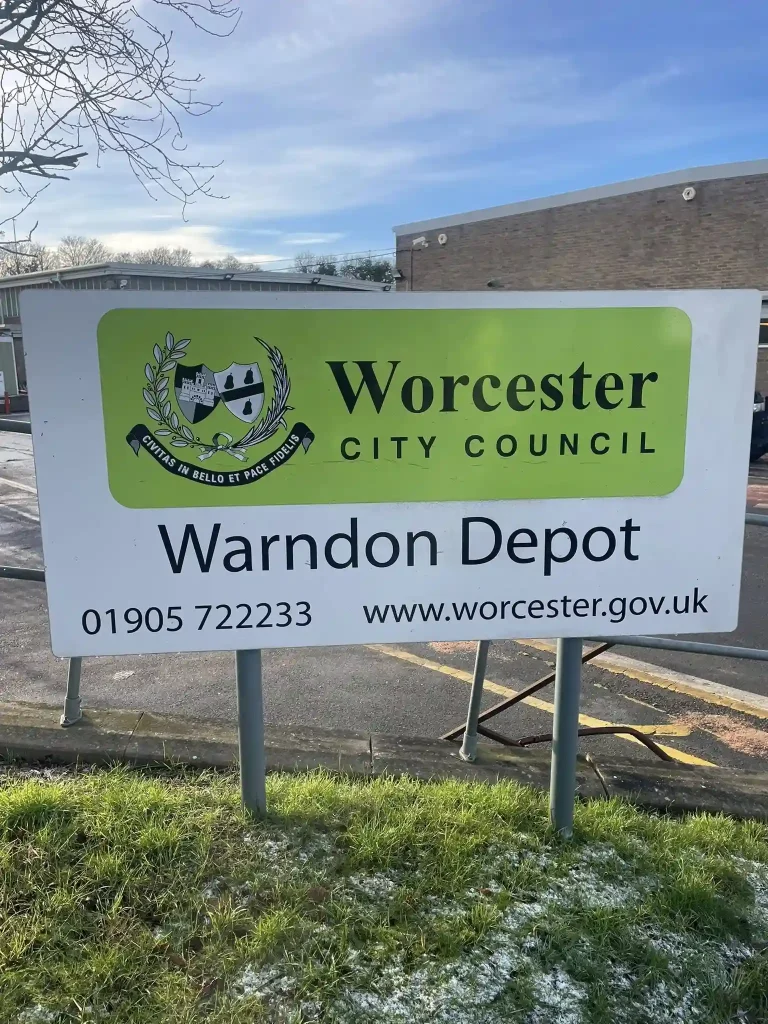
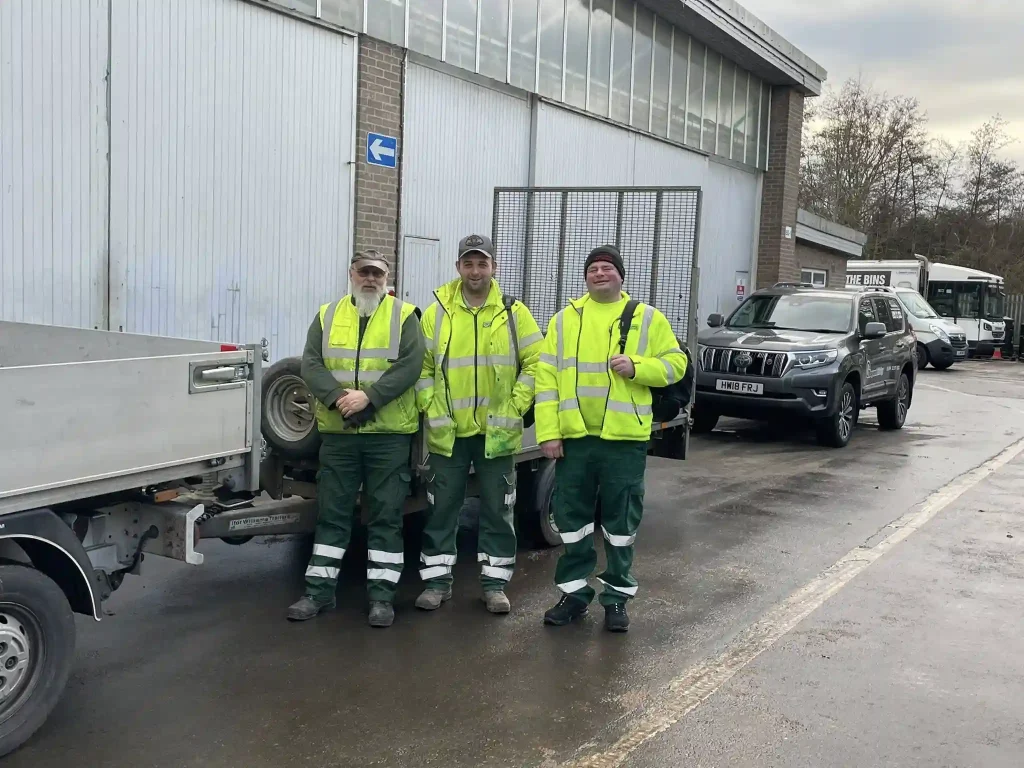
Beyond Driving has been working closely with Worcester City Council, delivering a series of Lantra Trailer Handling training days across multiple depots, including Worcester and Warndon.
These sessions support operational teams who routinely tow trailers carrying equipment and materials for highways, environmental and estates work. By spreading training across several days, the council ensures consistent standards while minimising disruption to frontline services.
The result is safer operations, increased driver confidence and a clear demonstration of PUWER compliance.
National Grid – Trailer Training for Critical Infrastructure Work
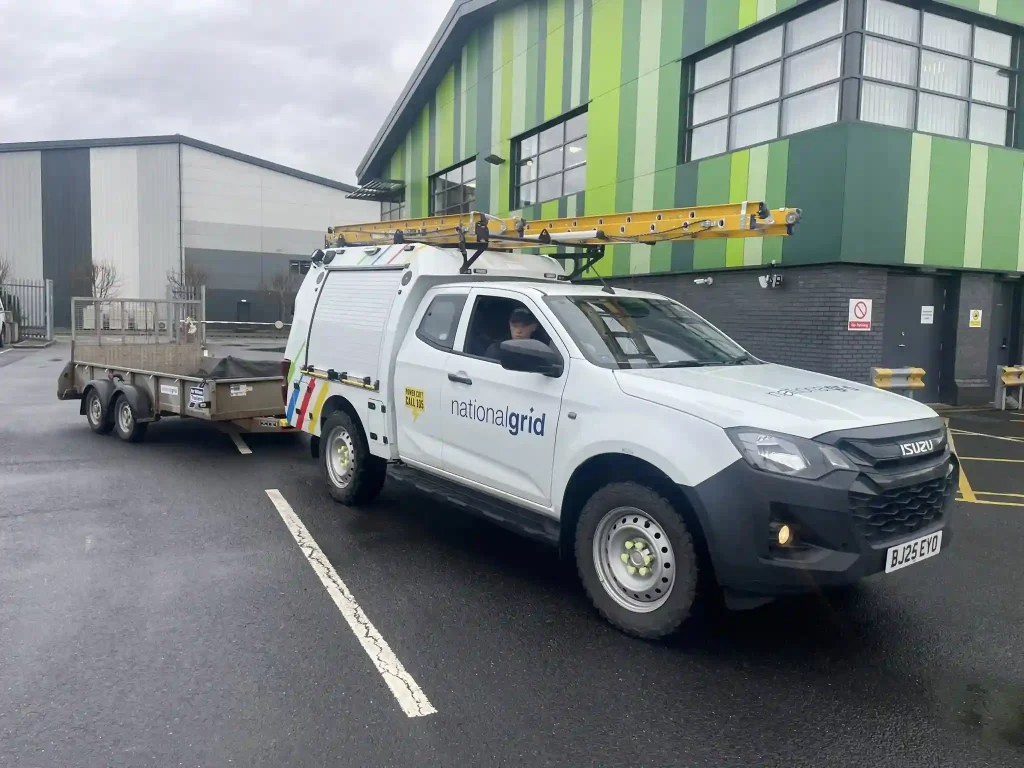
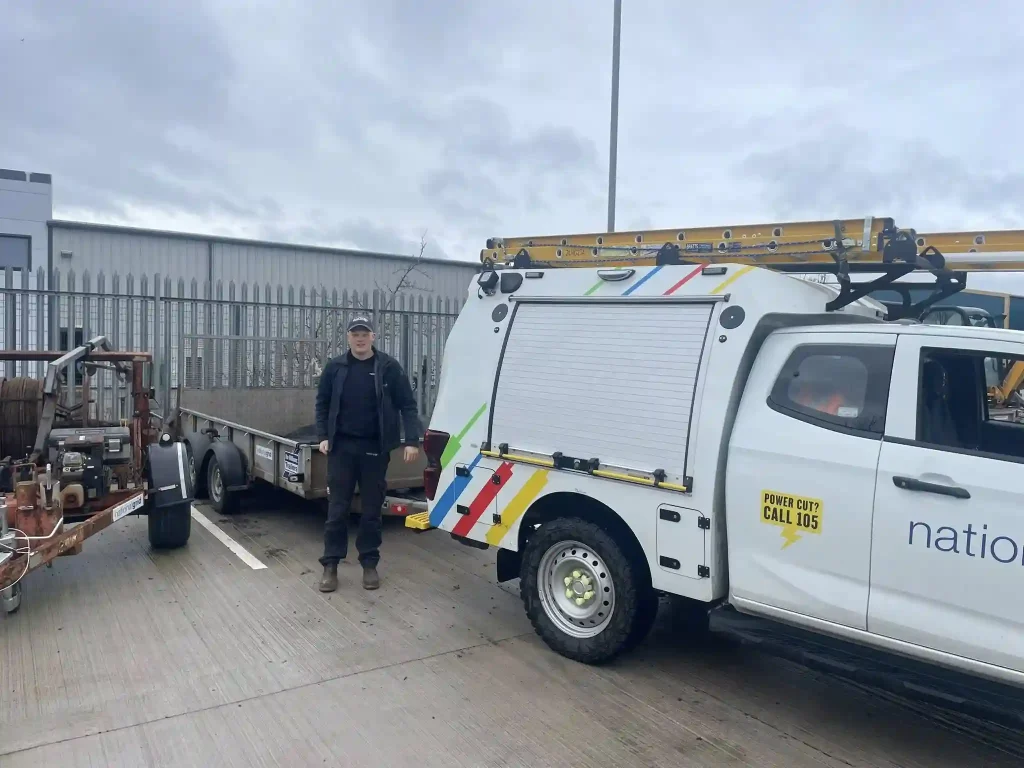
We have also delivered Lantra Trailer Handling training for National Grid at locations including Hereford and Hinkley.
For infrastructure operators working on critical national assets, trailer safety is non-negotiable. Equipment trailers often carry high-value or specialist plant, and operators must manoeuvre safely in live environments.
These training days reinforced best practice and built on previous training relationships, ensuring competence is maintained over time rather than treated as a one-off exercise.
RSPB Arne, Dorset – Trailer Training in Challenging Conditions
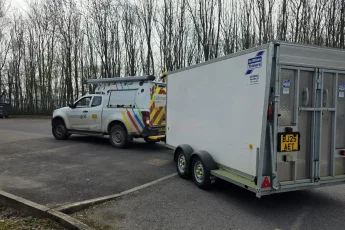
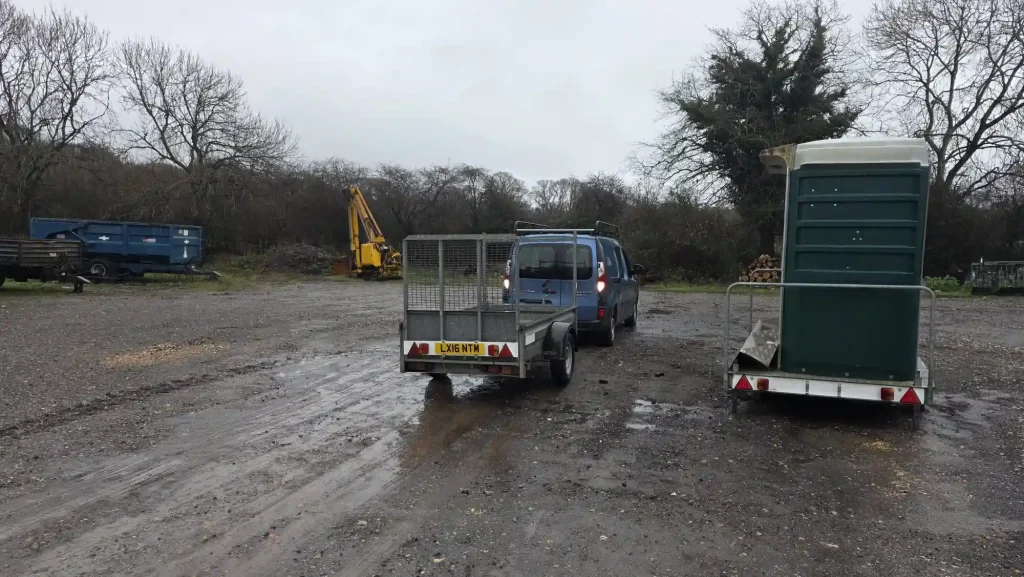
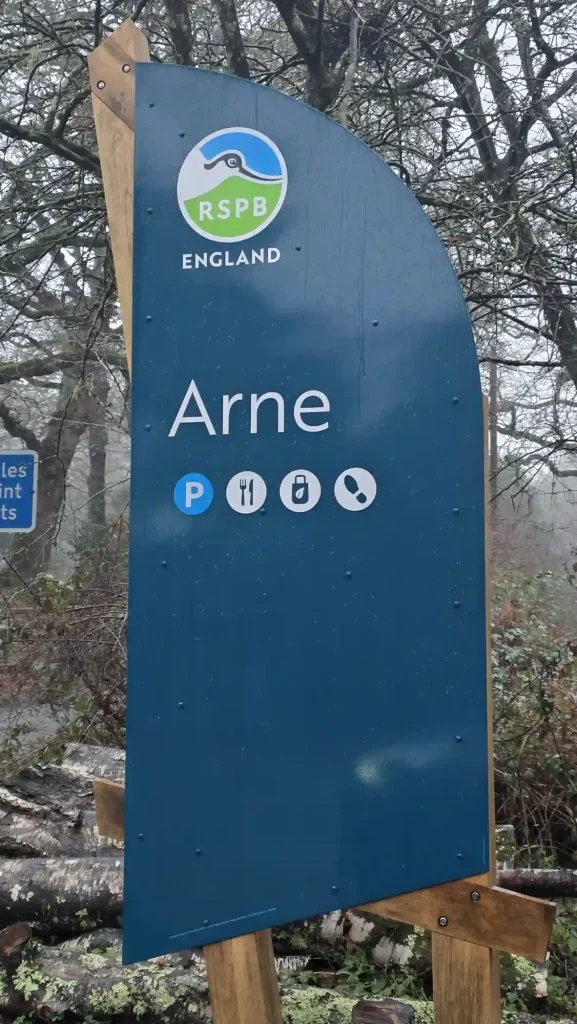
Beyond Driving was in Dorset at RSPB Arne, delivering Lantra Trailer Handling training in wet and windy conditions.
This environment provided a realistic setting to reinforce safe towing techniques in adverse weather, uneven terrain and sensitive locations. For conservation and land-based organisations, trailer training is essential to protect both people and the environment.
Why Licence Entitlement Is Not Enough
Although changes to UK driving licence rules allow many drivers to tow trailers without an additional test, this does not remove employer responsibilities under PUWER or health and safety law.
A driving licence confirms entitlement, not competence in a work setting.
Employers must be able to demonstrate that staff have received task-specific training relevant to the trailers, loads and environments they operate in. Lantra training provides that assurance.
The Operational Benefits of Trailer Training
Beyond compliance, professional trailer training delivers clear operational advantages:
- Reduced vehicle and trailer damage
- Fewer incidents and near misses
- Improved depot safety
- Greater driver confidence and consistency
- Lower downtime and maintenance costs
- Stronger audit and inspection outcomes
For organisations operating fleets at scale, these benefits quickly outweigh the cost of training.
Integrating Trailer Training Into a Wider PUWER Strategy
Trailer handling training works best when integrated into a broader approach to driver competence, including:
- Vehicle familiarisation
- 4×4 and off-road training where applicable
- Regular refresher training
- Ongoing monitoring and assessment
Beyond Driving supports organisations with tailored training programmes that align with operational risk, fleet composition and workforce experience.
Why Choose Beyond Driving?
Beyond Driving is trusted by local authorities, utilities, emergency services and national organisations to deliver high-quality, accredited driver training.
Our Lantra Trailer Handling courses are:
- Delivered by experienced professional instructors
- Practical, relevant and site-specific
- Aligned with PUWER and HSE expectations
- Suitable for new and experienced operators
Whether you are training a small team or rolling out a multi-site programme, we work with you to deliver effective, compliant training.
Book Trailer Handling Training
If your organisation operates trailers as part of its day-to-day activities, now is the time to review competence and compliance.