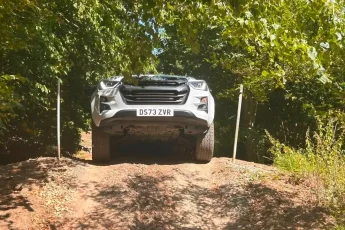
When your business depends on arriving at events with everything in the right place, at the right time, trailer handling is not just a useful driving skill. It is part of the operation.
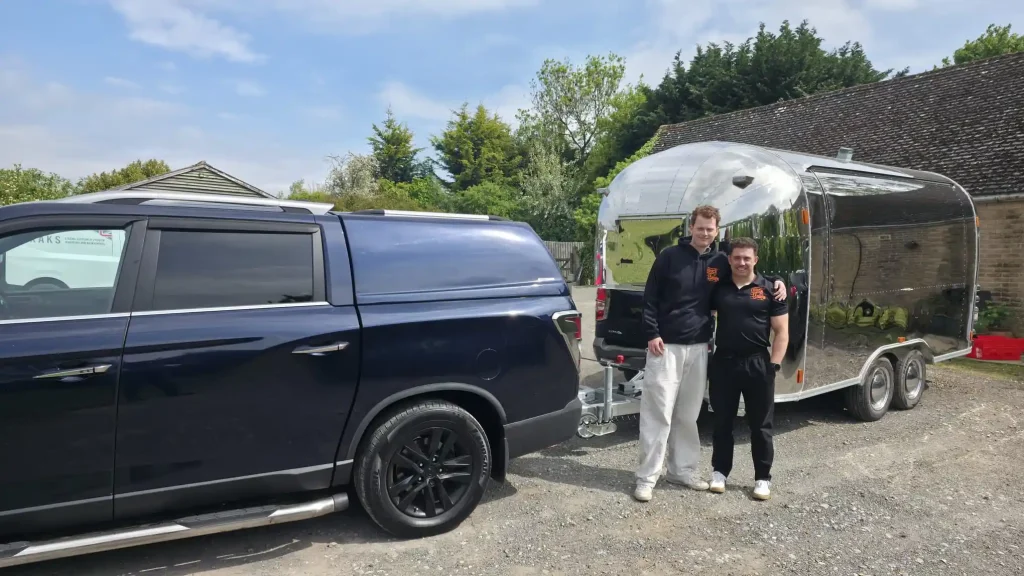
Beyond Driving has recently been near Bicester delivering a Lantra Trailer Handling course for Truck It, a modern event catering company whose distinctive trailers are central to the way they work. Truck It describes itself as a food truck catering service providing fresh, locally sourced street food for private parties, weddings, corporate functions and festivals. Its own strapline, “Hospitality that moves”, captures exactly why trailer training matters for this type of business.
For catering companies, mobile bars, festival traders and event hospitality teams, towing is often part of the working day. Drivers may be moving valuable equipment, serving units, generators, gas bottles, stock, refrigeration or specialist trailers into venues where space is limited and deadlines are tight. A well-trained driver can make that process safer, smoother and far less stressful.
Why trailer handling matters for event catering teams
Event catering brings together several challenges that make professional trailer training particularly valuable. Teams often operate away from their own premises, work to strict set-up times and manoeuvre in busy environments alongside pedestrians, contractors, organisers, suppliers and other vehicles.
A catering trailer also behaves very differently from an ordinary vehicle. It changes the way the towing vehicle accelerates, brakes, turns and reverses. Extra length, additional weight and reduced visibility all need to be managed. Even a short movement into position at a venue can become difficult if the driver has not practised the right techniques.
Beyond Driving’s On-Road Trailer Handling Training is designed for organisations whose staff tow trailers, plant or equipment as part of their role, whether regularly or occasionally. The course focuses on giving professional drivers the awareness, judgement and practical ability needed to tow safely, legally and confidently on UK roads.
For a business like Truck It, that means training is not simply about getting from A to B. It is about protecting people, vehicles, equipment, reputation and the smooth running of every event.
Training using real vehicles and real working requirements
One of the most valuable aspects of trailer handling training is its relevance to the working environment. Beyond Driving’s approach is practical, realistic and tailored to the vehicles and trailers drivers actually use.
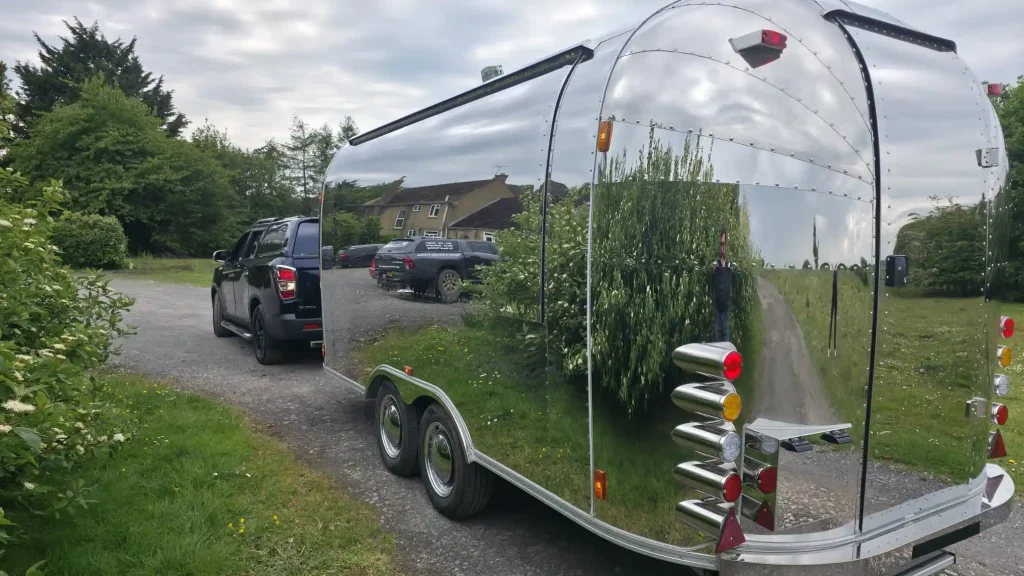
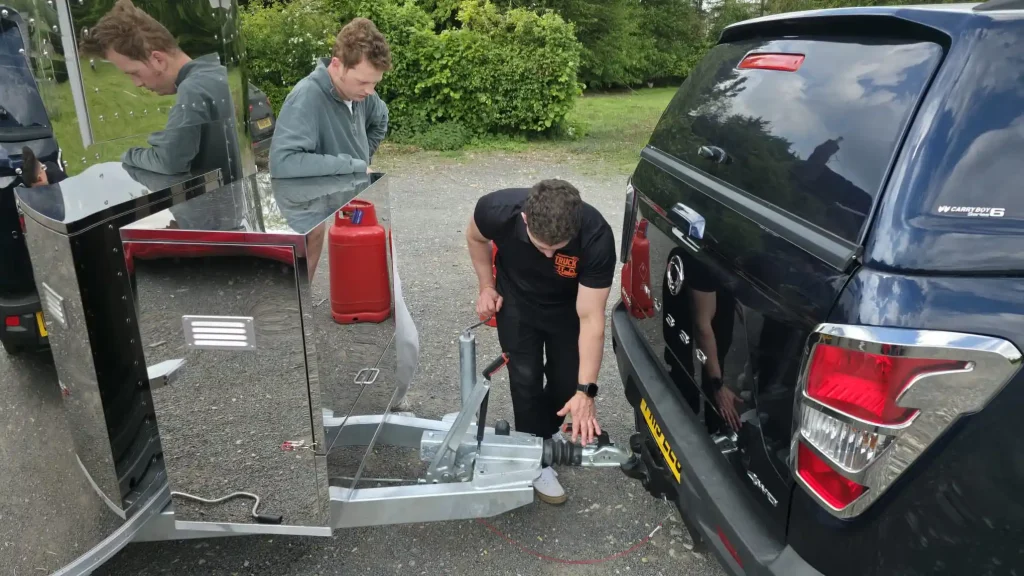
For Truck It, the course provided an opportunity to work with the company’s own event catering trailer and towing vehicle. This matters because every trailer has its own characteristics. A polished catering trailer, for example, may have different dimensions, visibility issues, weight distribution and manoeuvring requirements compared with a small utility trailer or plant trailer.
Training in a realistic setting helps drivers understand how their specific set-up responds. They can practise coupling, uncoupling, positioning, reversing and manoeuvring in a controlled way, with expert guidance from an experienced instructor. Mistakes can be corrected before they become habits, and confidence can be built through repetition.
Beyond Driving’s trailer handling course page explains that, where possible, training is delivered using the vehicles and trailers drivers operate at work, helping to ensure immediate relevance and improved confidence.
Building confidence before the event day
Confidence is a major part of safe trailer handling. Many drivers can feel comfortable on the open road but become far less certain when asked to reverse into a tight gateway, position a trailer near a serving area or manoeuvre around other vehicles.
That uncertainty can lead to rushed decisions, over-correction, poor communication with banksmen or unnecessary risk-taking. Structured training helps drivers slow the process down and understand what is happening between the towing vehicle and the trailer.
During a Lantra Trailer Handling course, drivers can develop core skills such as:
Understanding the effect of trailer length, pivot points and steering input
Carrying out pre-use checks before towing
Safe coupling and uncoupling procedures
Checking lights, hitch security, jockey wheel position and breakaway cable use
Managing braking distances and road positioning
Reversing in a controlled and consistent way
Avoiding jack-knifing, snaking and instability
Manoeuvring in yards, depots, venues and confined spaces
Working safely around other people during set-up and recovery
These are not abstract skills. They are directly connected to real working tasks, especially for event teams operating in varied locations.
Compliance, PUWER and employer responsibility
When trailers are used for work, employers have a responsibility to make sure staff are competent to use them safely. Beyond Driving’s course information notes that trailers used for work are classed as work equipment under the Provision and Use of Work Equipment Regulations, and that employers must ensure drivers are adequately trained and competent to tow safely on the road.
For event catering companies, this is especially important because trailer use may sit between several areas of responsibility: road risk, workplace safety, vehicle maintenance, event site management and manual handling. A trailer may only be one part of the operation, but it can create significant risk if it is not handled correctly.
Professional training helps provide clear evidence that drivers have received appropriate instruction. It also supports internal procedures, insurance expectations and wider health and safety management.
For smaller businesses, this can be particularly valuable. A compact, skilled team may rely on a small number of people to move trailers, set up equipment and manage the event. If everyone involved understands safe trailer handling, the whole operation becomes more resilient.
Why Lantra training gives businesses added reassurance
Beyond Driving’s Trailer Handling course is Lantra assured, giving organisations a recognised framework for training and assessment. Lantra is widely associated with land-based, environmental and workplace training, and Beyond Driving’s own course page confirms that its trailer handling training is available with Lantra accreditation.
For businesses, this provides reassurance that the training is structured, professional and auditable. It also helps standardise competence across a team, rather than relying on informal experience or assumptions about who is “good with trailers”.
That distinction matters. Many drivers have some towing experience, but experience alone does not always mean best practice. A driver may have picked up habits over time that work in familiar situations but become risky in tighter, busier or more demanding environments. Professional instruction gives drivers a chance to refine their technique and understand the reasons behind safe towing procedures.
Event catering trailers bring their own challenges
Truck It’s catering trailers are more than transport boxes. They are part of the customer experience. The trailer is a working kitchen, a brand presence and a focal point at the event.
This creates a particular set of demands. The trailer may need to be positioned precisely for service, access, power, safety and presentation. It may need to fit into a layout agreed with an event organiser. It may need to be moved without damaging surfaces, kerbs, grassed areas, gates or other event infrastructure.
There may also be additional considerations around gas bottles, catering equipment and stock. Careful towing, smooth braking and controlled manoeuvring all help protect the load and reduce unnecessary wear on equipment.
Good trailer handling supports the whole customer experience. The catering team arrives calmer, sets up more efficiently and can focus on food, service and hospitality rather than recovering from a stressful journey or difficult arrival.
Safer towing on public roads
The public road element is just as important as the final positioning at a venue. Towing changes how a vehicle behaves, particularly in relation to braking, stability and road positioning. Beyond Driving’s course information highlights the importance of understanding vehicle and trailer dynamics, managing braking distances, preventing snaking or jack-knifing, and complying with UK towing legislation and licence rules.
For catering businesses travelling to weddings, corporate events, private parties and festivals, journeys may include rural lanes, busy town centres, motorway sections and venue access roads. Each environment requires a different level of awareness.
Drivers need to think further ahead, allow more space, plan turns earlier and understand how trailer weight affects stopping distance. Training helps turn these considerations into normal driving behaviour.
A practical investment for mobile hospitality businesses
For companies like Truck It, trailer handling training is a practical investment in the business. It supports safety, compliance and operational reliability, but it also contributes to professionalism.
Clients booking event catering expect the provider to arrive prepared. They may never see the training behind the scenes, but they benefit from it in the form of punctual arrival, smooth set-up, professional presentation and a team that knows how to manage its equipment safely.
For hospitality teams, mobile caterers, wedding suppliers, festival traders and corporate event providers, trailer handling training can help reduce:
Vehicle and trailer damage
Reversing incidents
Delays during arrival and set-up
Risk to staff, clients and members of the public
Stress for drivers and event teams
Uncertainty around compliance
It also gives drivers the satisfaction of knowing they can handle the trailer properly, rather than relying on guesswork when conditions become difficult.
Beyond Driving trailer training for businesses across the UK
Beyond Driving provides specialist trailer handling training for organisations whose staff tow as part of their work. Training can be delivered in realistic environments and, where appropriate, using the client’s own vehicles and trailers.
The recent Lantra Trailer Handling course near Bicester for Truck It is a strong example of how professional towing training can support a growing, mobile, event-focused business. For a company built around hospitality that moves, safe and confident trailer handling is part of delivering the service well.
Whether your organisation operates catering trailers, mobile bars, equipment trailers, plant trailers or specialist event units, Beyond Driving can help your team develop the skills needed to tow safely, manoeuvre accurately and stay compliant.
To discuss Lantra Trailer Handling training for your organisation, visit Beyond Driving’s Trailer Handling course page or contact the instructor team to talk through your vehicles, trailers and operational requirements.
Frequently Asked Questions About Trailer Handling Training
Do I need trailer handling training?
While trailer handling training is not a legal requirement for every driver, employers have a duty under health and safety legislation to ensure staff are competent to carry out work safely. Professional trailer handling training helps reduce the risk of collisions, jack-knifing, reversing incidents and damage to valuable equipment. It is particularly beneficial for anyone towing as part of their job, whether occasionally or every day.
Can Beyond Driving deliver training using our own trailer?
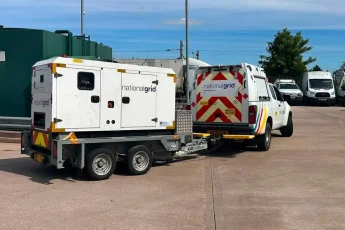
Yes. Wherever possible, Beyond Driving delivers training using your own towing vehicle and trailer. This ensures drivers develop confidence with the equipment they will use in their day-to-day role, whether that is a generator trailer, cable trailer, plant trailer, welfare unit, livestock trailer or other specialist equipment. If required, we can also provide suitable training vehicles and trailers.
Is Lantra Trailer Handling certification nationally recognised?
Yes. Lantra is one of the UK’s leading awarding bodies for land-based and industrial training. Successful candidates receive nationally recognised certification, providing employers with evidence that staff have completed professional trailer handling training and have demonstrated the required knowledge and practical skills.
Can training be delivered at our depot or workplace?
Absolutely. Beyond Driving delivers trailer handling training throughout the UK and can conduct courses at your depot, workplace or operational site. Training on your own premises allows candidates to practise in familiar surroundings using their own vehicles and trailers, making the learning directly relevant to their daily responsibilities.
Can you provide training for towing heavy equipment such as generators?
Yes. Beyond Driving regularly delivers trailer handling training for organisations towing heavy equipment, including generators, compressors, pumps, cable reels and other specialist utility assets. The course covers safe coupling and uncoupling, load security, vehicle and trailer checks, reversing techniques, manoeuvring in confined spaces and safe towing on public roads and work sites.
What types of vehicles can be used for trailer handling training?
Training can be delivered using a wide range of towing vehicles, including 4x4s, pick-up trucks, vans, SUVs and other commercial vehicles. Courses are tailored to the type of vehicle and trailer used by your organisation, ensuring drivers gain practical experience with the equipment they are expected to operate.
Is the course suitable for organisations with mixed experience levels?
Yes. Whether your staff are new to towing or experienced drivers looking for refresher training, the course can be adapted to individual ability. Our instructors tailor the training to build confidence while ensuring every candidate develops safe, efficient and compliant towing techniques.
Which organisations typically benefit from trailer handling training?
Our trailer handling courses are used by a wide range of organisations, including utility companies, telecommunications providers, local authorities, infrastructure contractors, environmental organisations, construction companies, emergency services, estates teams and event businesses. Any organisation whose employees tow trailers as part of their work can benefit from professional trailer handling training.