Last updated: September 2026
Operating a 4×4 professionally is very different from simply owning or driving a four-wheel-drive vehicle on the road.
Once a vehicle leaves tarmac, the driver has to assess changing ground conditions, gradients, available traction, vehicle dimensions, weight transfer and the consequences of choosing the wrong route. Add adverse weather, specialist equipment or the pressures of an operational role and competent 4×4 driving becomes an important part of workplace risk management.
Lantra 4×4 training provides professional drivers with structured, practical instruction in the skills required to operate four-wheel-drive vehicles safely and effectively away from the public road.
Beyond Driving delivers accredited 4×4 off-road driving training throughout the UK for organisations whose employees need to drive in demanding environments. Recent programmes range from utility, telecommunications and environmental organisations to emergency services, infrastructure operators and government and defence teams.
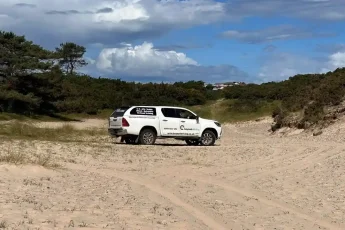
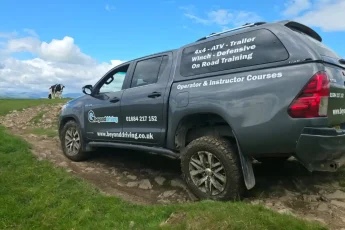
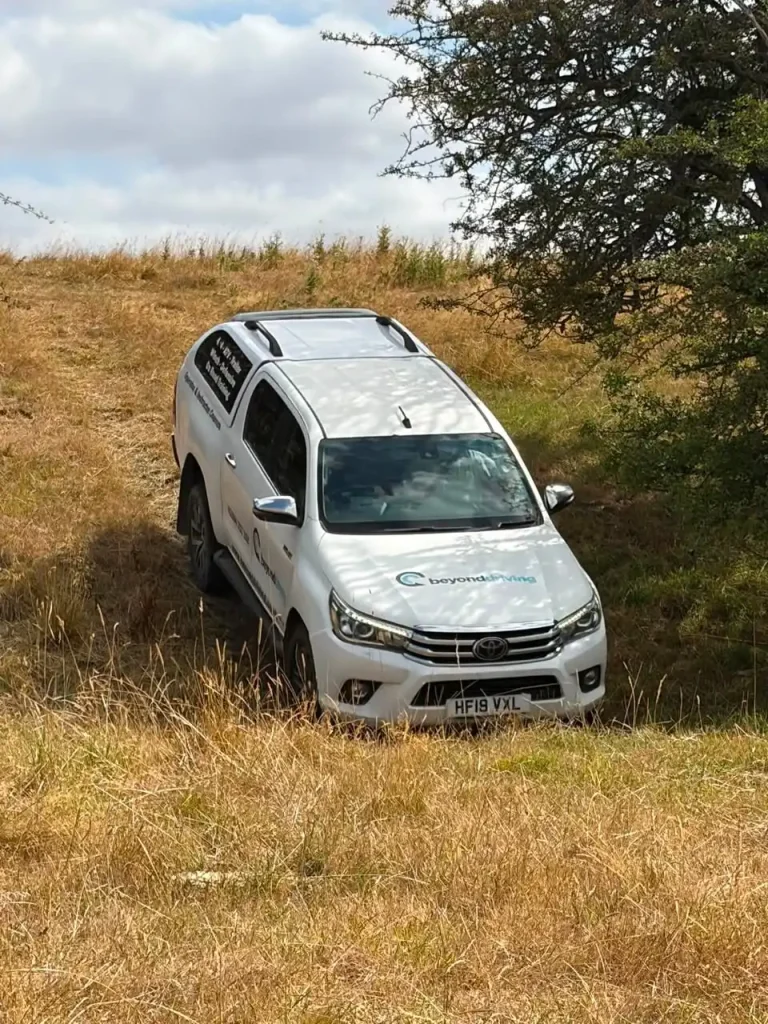
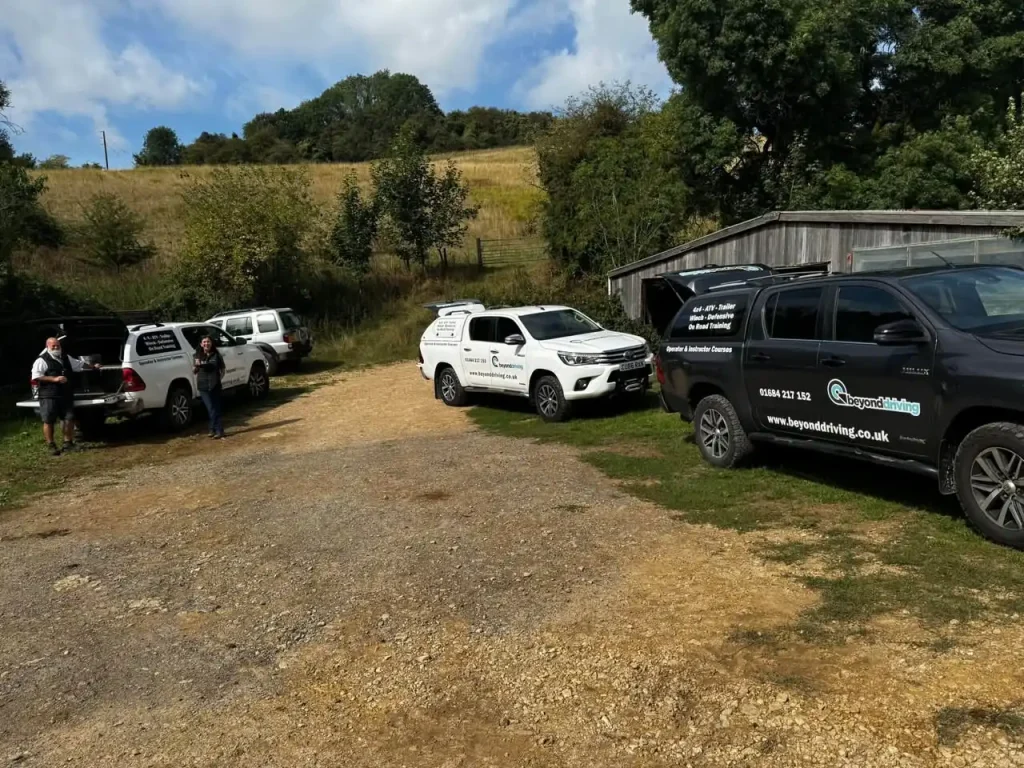
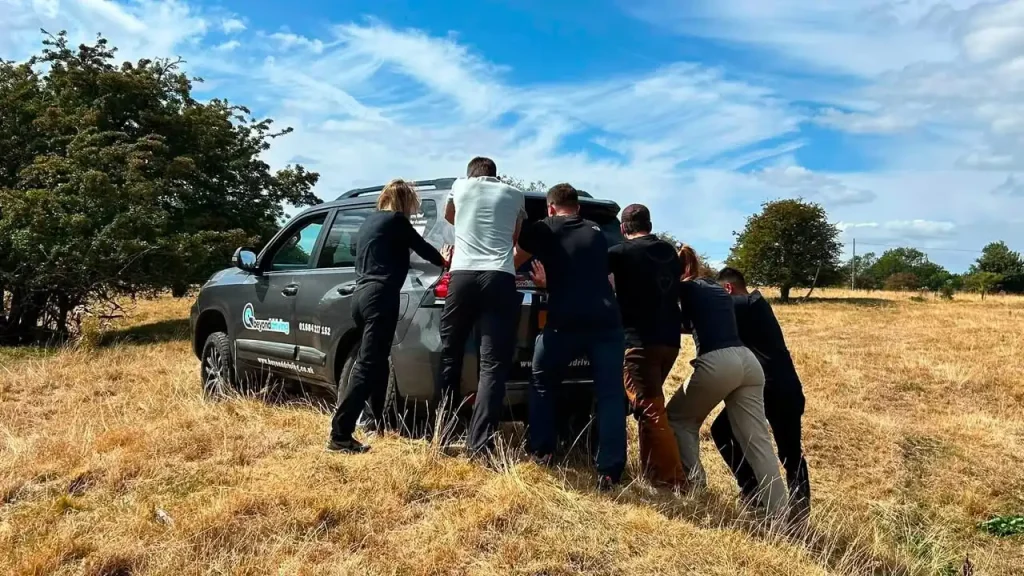
Our latest training has included Lantra 4×4 instruction for UK Ministry of Defence personnel, with the accompanying photographs showing delegates developing practical vehicle-control and terrain-assessment skills. Delegates have deliberately been photographed facing away from the camera to protect their identities.
What is Lantra 4×4 training?
Lantra is a recognised awarding organisation providing training and qualifications across land-based and environmental industries.
A Lantra 4×4 course provides a structured framework for developing and assessing the knowledge and practical ability required to use a four-wheel-drive vehicle away from normal roads.
Beyond Driving’s Lantra training is predominantly practical. Rather than simply teaching a collection of techniques, the emphasis is on helping drivers understand why a vehicle behaves as it does and how to make appropriate decisions before committing themselves to difficult terrain.
That distinction matters.
Good off-road driving isn’t about demonstrating what a 4×4 can overcome. Often, the safest decision is recognising what it should not attempt.
Who needs professional 4×4 training?
Professional 4×4 vehicles are used across an extraordinarily broad range of UK industries.
Beyond Driving provides training for drivers working in areas including:
- utilities and energy infrastructure
- telecommunications
- defence and government
- emergency services
- environmental and conservation organisations
- highways and infrastructure
- construction and engineering
- surveying and field operations
- agriculture and land management
- research organisations.
The common factor is not the industry. It is that employees may be expected to take a vehicle into conditions where conventional road-driving experience alone may not adequately prepare them.
Beyond Driving’s existing training programmes illustrate that diversity particularly well.
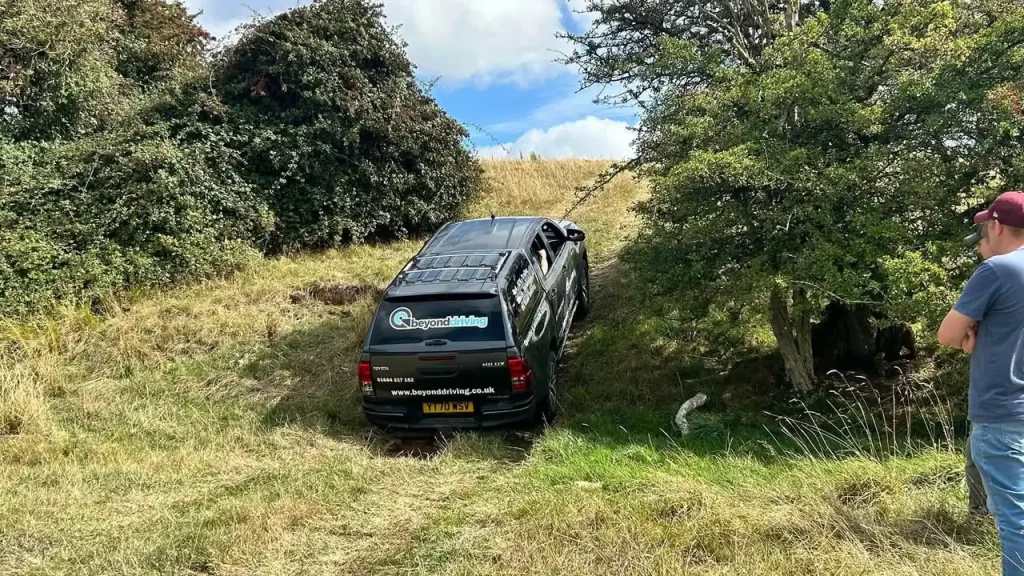
Lantra 4×4 training for critical national infrastructure
Four-wheel-drive vehicles play an important role in maintaining infrastructure located beyond normal road networks.
In August 2026, for example, Beyond Driving delivered professional 4×4 driver training for Exolum, with courses delivered near Market Rasen, Peterborough and Cheddar.
The requirement illustrates an important aspect of professional off-road training: drivers aren’t learning 4×4 techniques as a recreational activity. They need the capability to reach operational assets safely and consistently as part of their work.
The same principle applies to our work with NATS. Recent Lantra 4×4 Operator Training in Scotland supported personnel whose responsibilities can require access to infrastructure in locations where conventional vehicles and road-driving skills may not be sufficient.
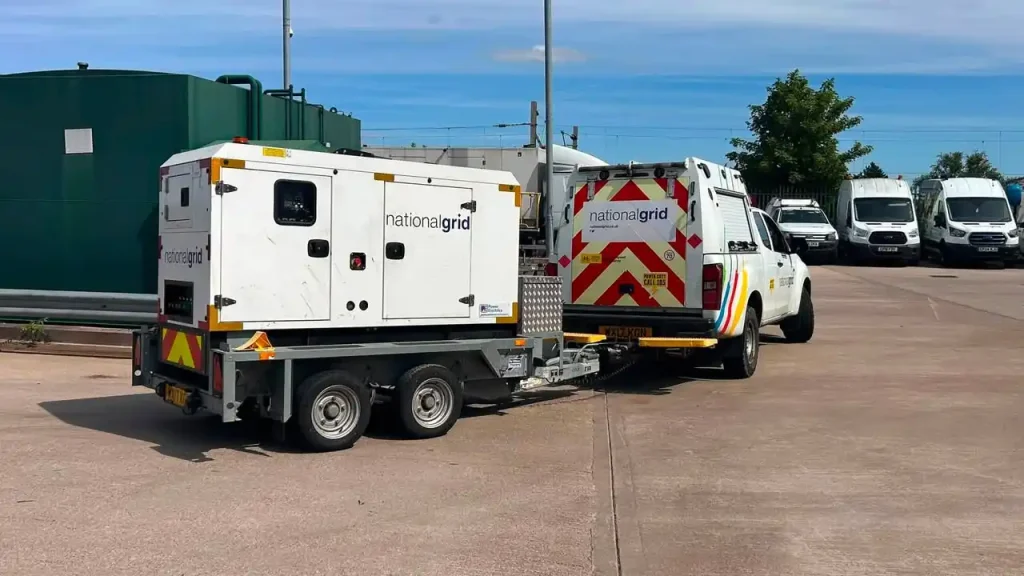
Training for telecommunications and utilities
Beyond Driving has also delivered extensive 4×4 operator training for telecommunications and utility organisations around the UK.
Our work with BT Openreach has included courses in locations ranging from Exeter and Kent to Cheshire, West Yorkshire and Wales. The environments differ considerably, but the objective remains the same: preparing employees to assess terrain and use their vehicles safely when accessing remote infrastructure.
This national experience is particularly valuable for organisations with geographically dispersed fleets. Training can provide a consistent competency standard while still reflecting the conditions drivers actually encounter in different regions.
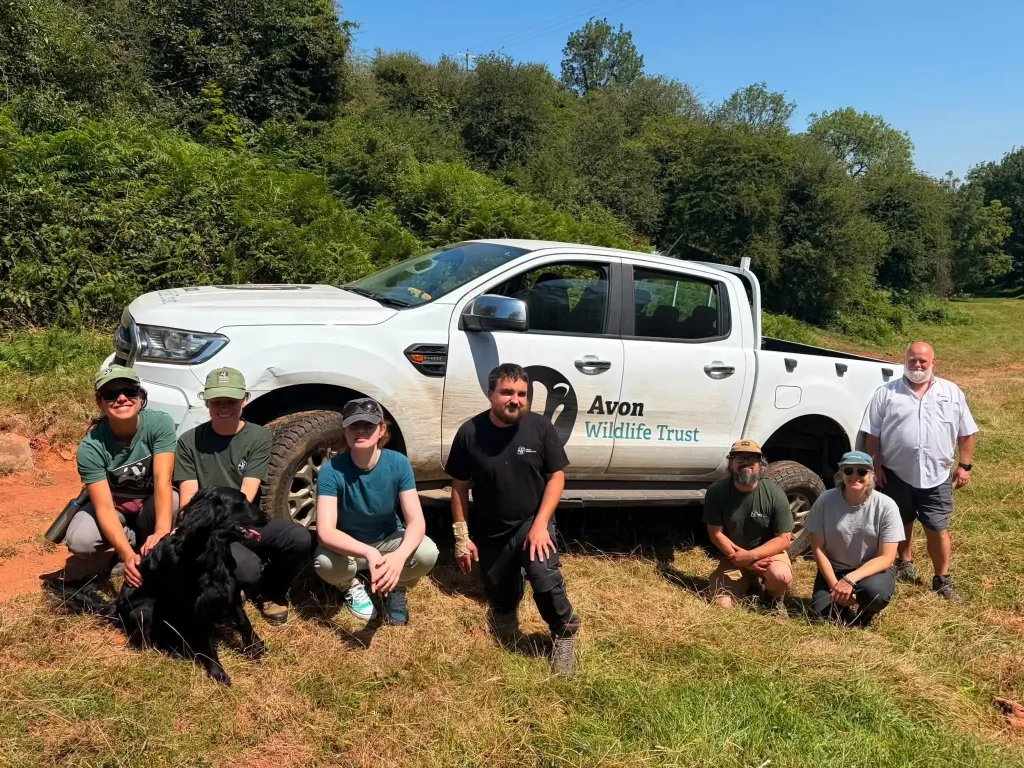
4×4 training for conservation and environmental teams
Some of the best examples of why occupational 4×4 training matters come from the environmental sector.
Wildlife Trust employees may need to reach woodland, reserves, farmland and conservation sites throughout the year, often carrying equipment and working in areas where ground conditions can change rapidly.
Beyond Driving has delivered Lantra training for organisations including Wiltshire Wildlife Trust, Avon Wildlife Trust, Lincolnshire Wildlife Trust and Worcestershire Wildlife Trust.
These programmes provide an opportunity to develop techniques including route assessment, gradient management, vehicle control and environmental awareness in conditions relevant to the drivers’ work.
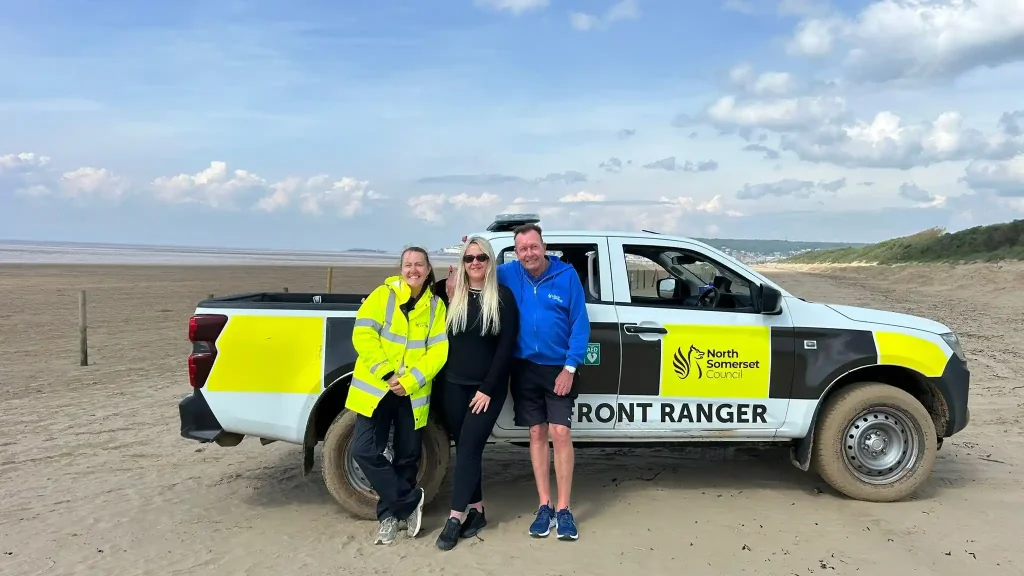
The same philosophy informed our training with North Somerset Council’s Seafront Ranger Team. Training started in a controlled environment before moving to Weston-super-Mare beach, where the team actually operates. In that instance, driving on sand wasn’t an artificial training exercise – it was an operational requirement.
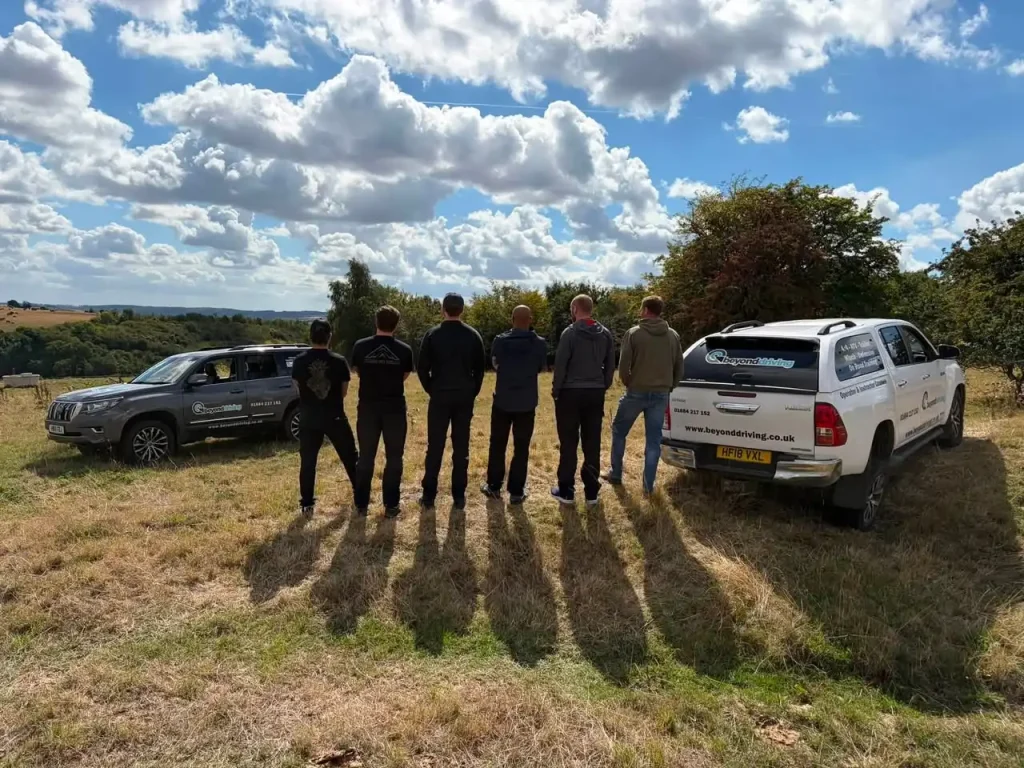
Lantra 4×4 training for government and defence
The latest addition to this extensive training portfolio is the UK Ministry of Defence.
The photographs accompanying this guide were taken during recent Lantra 4×4 training delivered by Beyond Driving for MOD personnel.
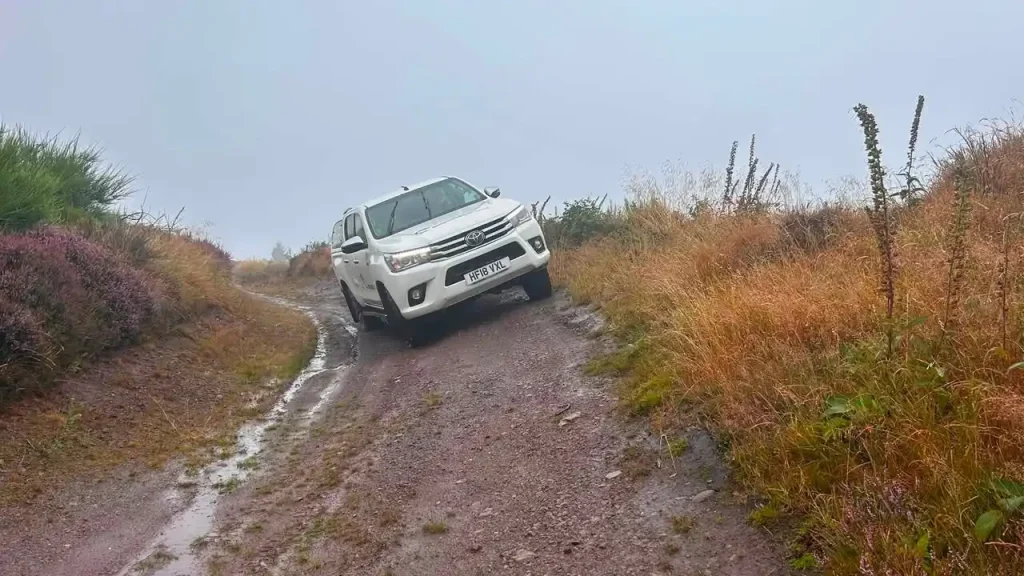
The images show several important aspects of practical training: vehicle familiarisation, group instruction, route assessment and controlled driving across natural gradients and uneven ground.
They also demonstrate something less obvious but equally important. Professional off-road training should be progressive.
Drivers develop an understanding of the vehicle and terrain before moving into more technically demanding situations. The objective isn’t to see how dramatic an obstacle can be made. It is to develop repeatable judgement and controlled vehicle operation.
What does Lantra 4×4 training cover?
Exact course content depends on the training programme, vehicle, candidate experience and operational requirement, but practical 4×4 training typically develops understanding of areas such as:
Vehicle familiarisation and preparation
Drivers need to understand the vehicle they are operating rather than assuming all four-wheel-drive systems work in the same way. Training can cover vehicle controls, four-wheel-drive systems, low range, differential systems and pre-use checks.
Terrain assessment
One of the most important off-road skills happens before the vehicle moves.
Drivers learn to assess the intended route, identify hazards and consider whether an alternative route would reduce risk.
Traction and weight transfer
Acceleration, braking, steering, gradient and surface conditions all affect where vehicle weight is transferred and how much grip remains available.
Understanding this relationship helps drivers make smoother and safer inputs.
Ascending and descending gradients
Steep slopes require considerably more than simply selecting the correct gear. Drivers need to understand approach, vehicle positioning, traction, controlled speed and what to do if progress cannot safely be maintained.
Side slopes
Drivers learn how gradients affect vehicle stability and why route selection is crucial when traversing sloping ground.
Ruts and uneven terrain
Correct wheel placement can help maintain traction while reducing the likelihood of grounding or damaging the vehicle.
Mud and loose surfaces
Drivers learn to recognise changing levels of grip and adjust their driving technique accordingly.
Stopping and restarting
Training includes what to do when a vehicle cannot continue as planned – an essential skill when operating on gradients or difficult terrain.
Beyond Driving’s main 4×4 programme describes this as developing calm, methodical driving that reduces risk to the driver, vehicle and environment.
Why training in the right vehicle matters
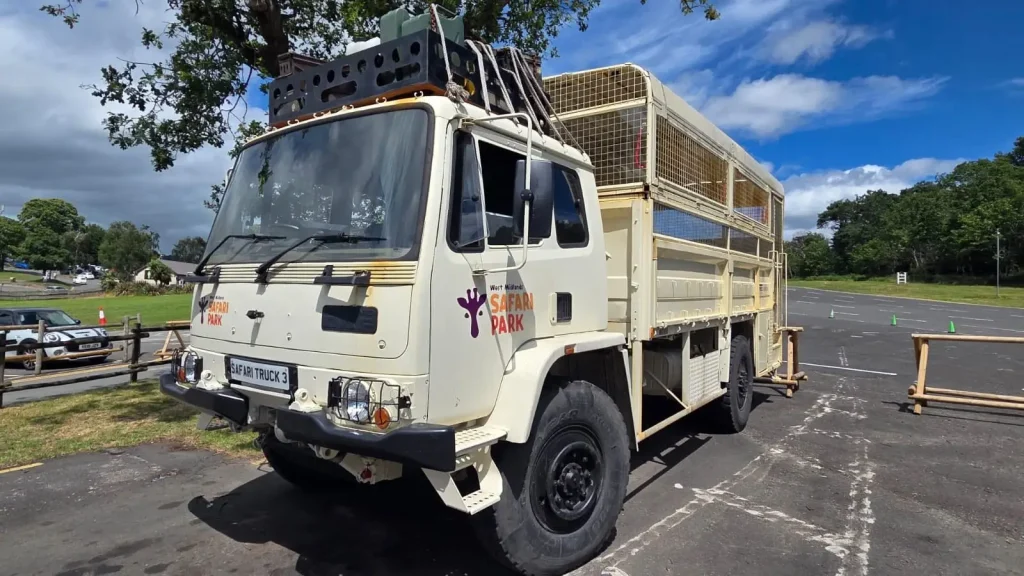
One of the recurring themes across Beyond Driving’s training is the importance of vehicle relevance.
A driver who normally operates a heavily equipped Toyota Hilux may gain limited value if all of their training takes place in a very different vehicle.
Where practical, training can therefore incorporate the vehicles employees actually use.
Our work with the London Ambulance Service HART teams provides a particularly good example. Training was developed around Toyota Hilux vehicles being introduced into operational service and incorporated equipment relevant to their work, including traction boards.
The principle applies just as strongly outside the emergency services.
Drivers should understand the capabilities and limitations of their vehicle, not an abstract idea of what a 4×4 can do.

Training should reflect the operating environment too
Vehicle relevance is only half of the equation.
Terrain matters.
A driver operating on Scottish upland tracks faces different challenges from a ranger working on sand, an engineer accessing infrastructure through woodland or a conservation worker crossing wet farmland.
Beyond Driving therefore uses approved off-road training venues around the UK and, where appropriate, suitable client locations.
This allows the training to remain consistent while still reflecting real operational risk.
Our recent work demonstrates that approach particularly clearly: APHA training near Peterborough used steep inclines, loose surfaces and uneven ground, while North Wales provided more open and exposed terrain with long tracks, natural undulations and gradients.
Is Lantra 4×4 training just for inexperienced drivers?
No.
Experience is valuable, but time spent driving off road doesn’t automatically mean that somebody has been using the safest or most appropriate technique.
Experienced drivers may have developed habits that work most of the time but leave less margin when conditions deteriorate.
Training can therefore serve several purposes:
- introducing employees to off-road driving
- formalising existing practical experience
- developing competence with a new vehicle
- preparing drivers for a different operational environment
- providing refresher training
- establishing a consistent standard across a fleet.
For organisations, that consistency can be every bit as important as developing individual driving skills.
What about PUWER and employer responsibilities?
When vehicles are provided for use at work, employers need to consider the competence of the people operating them.
Beyond Driving’s professional 4×4 programmes are designed to support organisations in managing their responsibilities under the Provision and Use of Work Equipment Regulations (PUWER) and wider workplace risk-management obligations. The company’s course framework specifically identifies accredited training, competence records and driver risk management as part of this approach.
Training should therefore not be viewed simply as obtaining a certificate.
For an employer, the wider objective is demonstrating that drivers have been given appropriate information, instruction and practical training for the equipment and conditions involved in their work.
Lantra, BORDA or Qualsafe – which accreditation is right?
Lantra is not the only 4×4 training route available through Beyond Driving.
Beyond Driving also provides BORDA and Qualsafe accredited options, allowing training to be matched to the driver’s role, level of responsibility and organisational requirements.
Lantra is particularly relevant where organisations require a consistent and auditable operator-training standard across teams working in utilities, infrastructure, environmental, land-based and similar sectors.
More specialist or advanced roles may require a different pathway, while organisations wanting to establish their own internal capability can also consider 4×4 instructor training.
The important point is to select training around the risk and operational requirement, rather than choosing a course simply because its title sounds appropriate.
Can Lantra 4×4 training be delivered nationwide?
Yes.
Beyond Driving delivers professional 4×4 training across the UK.
Recent programmes demonstrate the geographical reach particularly well, including training in Scotland for NATS, Balfour Beatty and BT Openreach; Wales for APHA and BT; the South West for conservation organisations and emergency services; and throughout England for organisations ranging from infrastructure operators to government agencies.
For national organisations, this means a training programme can be developed around multiple depots and operational regions rather than requiring every driver to travel to one central training centre.
Why practical experience matters
A certificate is important, but the real value of professional 4×4 training is what happens afterwards.
When a driver reaches a muddy access track, steep field or washed-out route six months later, there isn’t an instructor sitting beside them.
They have to make the decision.
Can the vehicle safely complete the route?
Where is the available traction?
What happens beyond the crest?
Is there enough room to turn around?
Could conditions deteriorate before the return journey?
Would walking the route first be safer?
Is there another way?
That decision-making ability is the real objective of good 4×4 training.
The photographs from our recent MOD programme illustrate the point well. The vehicles are operating on genuine uneven terrain, but the emphasis is on assessment and controlled progress rather than spectacle.

Building 4×4 competence across an organisation
For fleet operators, 4×4 training works best as part of a wider competency programme rather than an isolated event.
That may include initial operator training, periodic refresher courses, vehicle-specific familiarisation, driver assessments and, for larger organisations, development of internal instructors.
Beyond Driving has experience across this entire progression. Our work with NHS HART teams, for example, has extended from Lantra operator training to bespoke programmes and instructor development, enabling organisations to build greater capability internally.
The appropriate structure depends on fleet size, vehicle type, staff turnover, operating environment and risk profile.
Frequently asked questions about Lantra 4×4 training
What is Lantra 4×4 training?
Lantra 4×4 training is structured professional training designed to develop the knowledge and practical skills required to operate four-wheel-drive vehicles safely away from normal roads. Training covers vehicle understanding, terrain assessment and practical off-road driving techniques.
Who should undertake 4×4 operator training?
Training is suitable for employees who use 4×4 vehicles as part of their work, particularly where they may encounter fields, woodland, construction sites, remote access tracks, steep gradients, mud, loose surfaces or adverse weather.
Do experienced 4×4 drivers still need training?
Experienced drivers can benefit from formal training and assessment, particularly when driving is undertaken professionally. Training can identify gaps in knowledge, refresh practical techniques and establish a consistent organisational standard.
Can we use our own 4×4 vehicles?
Where appropriate, yes. Using the vehicles employees actually operate can make training more relevant by allowing them to understand the specific controls, capabilities, dimensions and limitations of their own equipment.
Can Beyond Driving deliver Lantra 4×4 training at our location?
Beyond Driving delivers training nationally using suitable off-road venues and, where appropriate, client locations. The best arrangement depends on the terrain available, course requirements and number of candidates.
Is training suitable for large organisations with multiple locations?
Yes. Beyond Driving regularly works with national organisations and can deliver consistent training across multiple locations, allowing drivers to develop to a common standard while training in environments relevant to their work.
Can the training be tailored to specialist operational requirements?
Yes. Training can be designed around the organisation’s vehicles, environment and operational needs. Beyond Driving has delivered specialist programmes for utilities, telecommunications, conservation organisations, government agencies and emergency response teams.
Does Beyond Driving offer refresher and instructor training?
Yes. Training can range from operator courses and refresher programmes through to accredited instructor development for organisations wishing to build internal training capability.
Lantra 4×4 training built around the job
There is no single type of professional 4×4 driver.
A telecommunications engineer reaching remote infrastructure, an environmental officer crossing farmland, a HART responder approaching an incident and an MOD employee operating in challenging terrain may all be driving four-wheel-drive vehicles, but their risks and operational requirements are very different.
Effective training recognises those differences.
Beyond Driving combines accredited training with practical experience across multiple sectors, vehicles and environments to provide 4×4 operator training that reflects how drivers actually work.
If your organisation operates four-wheel-drive vehicles on anything beyond normal roads, explore our 4×4 Off-Road Driving Courses or contact Beyond Driving to discuss a Lantra programme tailored to your vehicles, drivers and operating environment.