Trailer handling training that gives drivers real confidence
Towing a trailer is one of those driving tasks that can look straightforward from the outside, but quickly becomes more demanding once you are behind the wheel. Reversing into a tight yard, positioning a plant trailer at a depot, coupling and uncoupling safely, checking loads, judging turning space and managing the extra length of the vehicle all require proper training.
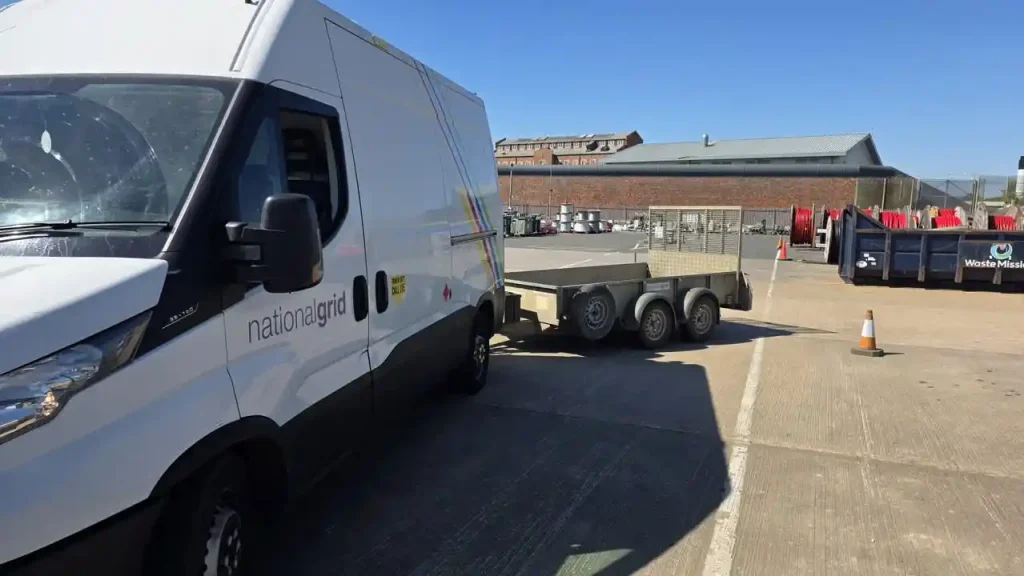
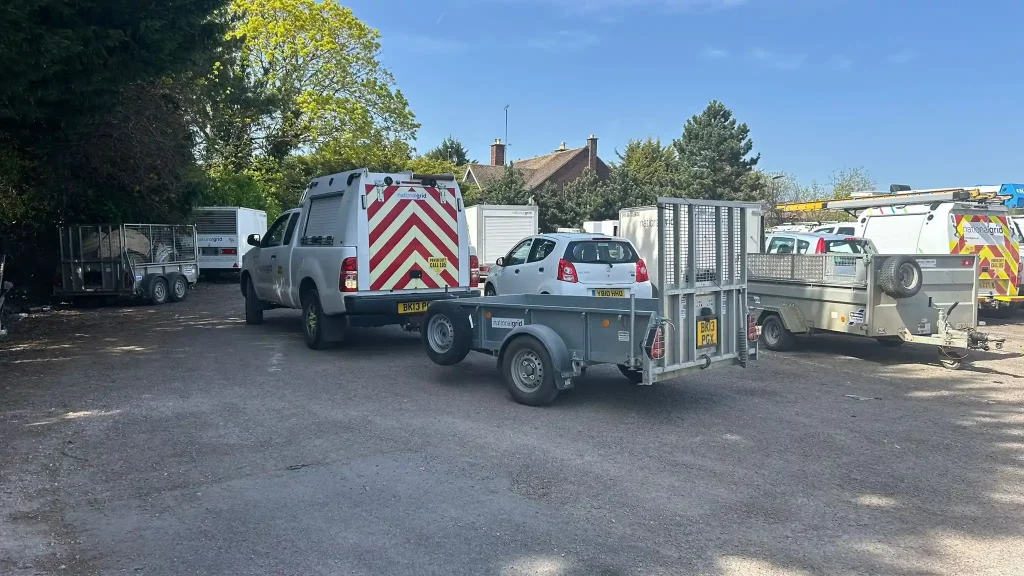
Over the last few weeks, the Beyond Driving instructor team has been delivering Lantra Trailer Handling courses for a range of organisations across the country, including DeterTech near Hodnet in Shropshire and Market Drayton, and National Grid teams at Worcester, Gloucester and Lincoln depots.
The settings have varied from rural training yards to busy utility depots, but the purpose has remained the same: helping drivers develop safe, practical and repeatable trailer handling skills they can use in their day-to-day work.
Why trailer handling matters
For many organisations, trailers are an essential part of daily operations. They may be used to move plant, equipment, materials, welfare units, tools or specialist operational assets. In sectors such as utilities, security, construction, land management and field services, staff often need to tow in less-than-perfect conditions, including narrow access roads, depots, uneven ground, rural sites and restricted working areas.
Good trailer handling is not just about being able to reverse in a straight line. It is about understanding the behaviour of the vehicle and trailer combination, anticipating risks, and making calm decisions before small errors become costly incidents.
A structured trailer towing course helps drivers understand:
- How trailer length, weight and axle position affect handling
- How to complete safety checks before setting off
- How to couple and uncouple correctly
- How to reverse and manoeuvre with control
- How to avoid jack-knifing
- How to manage visibility and blind spots
- How to position the vehicle and trailer safely in confined spaces
- How to recognise when a manoeuvre should be stopped, reset and attempted again
For employers, that means fewer avoidable knocks, less downtime, better compliance and a workforce that is more confident when towing.
Recent Lantra Trailer Handling training across the UK
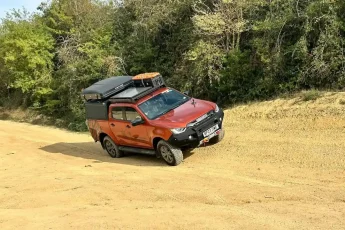
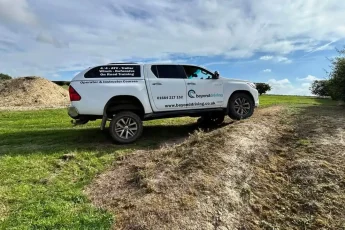
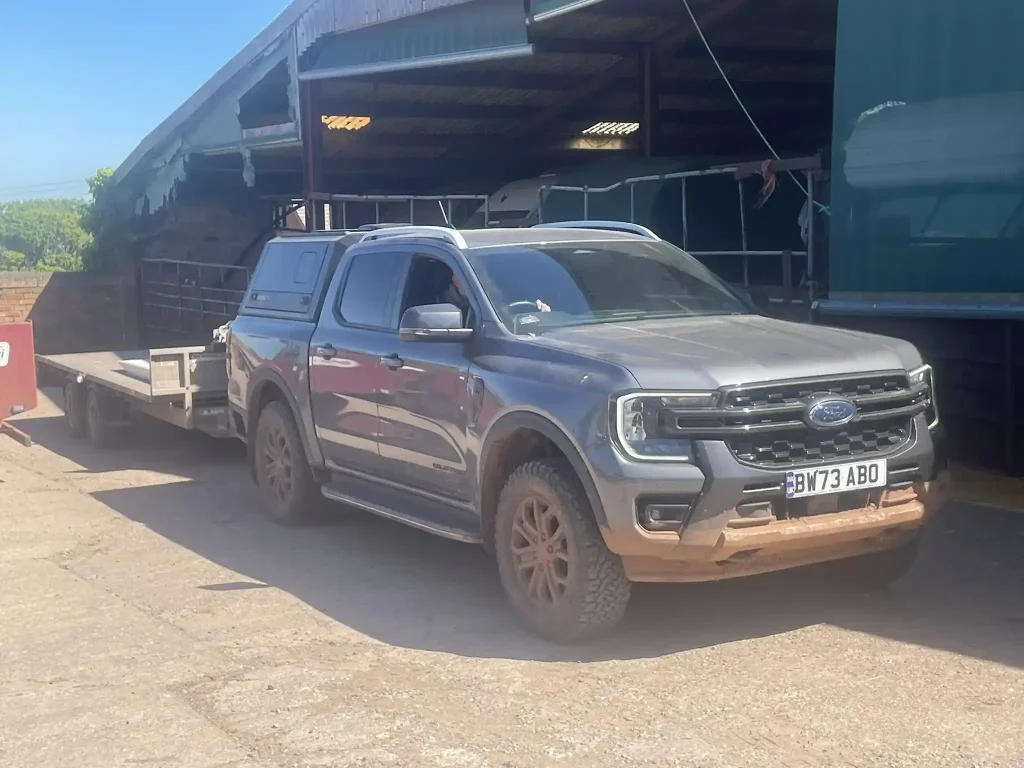
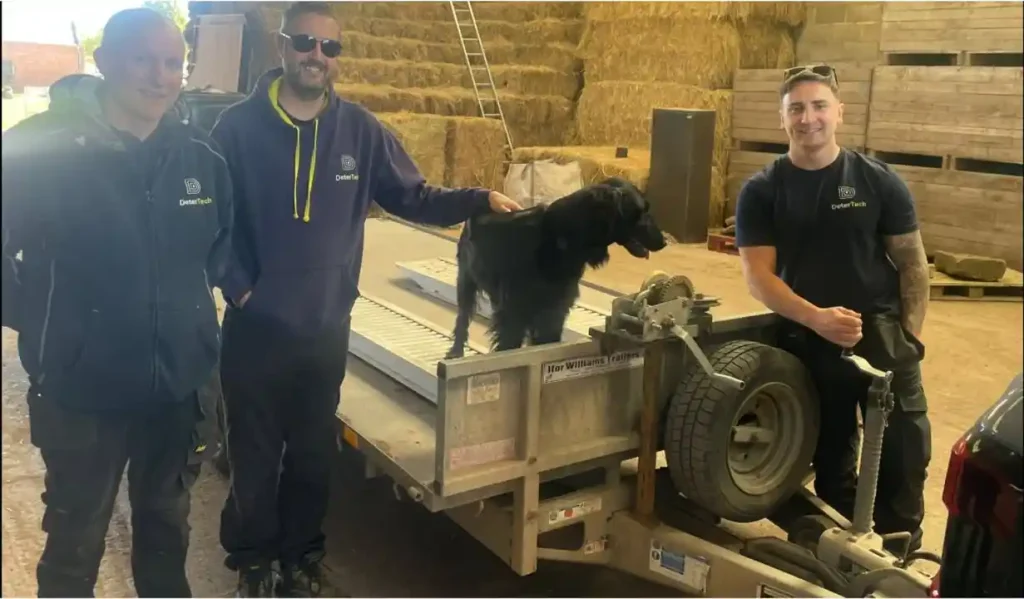
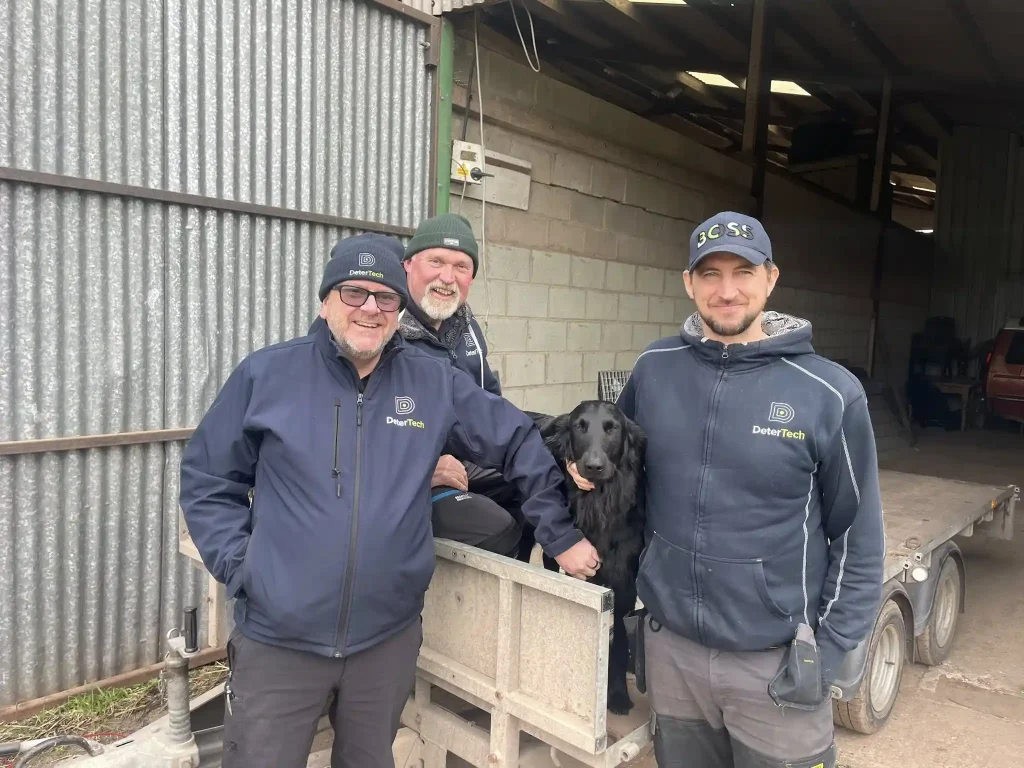
Beyond Driving has recently been back with DeterTech, delivering our Lantra Trailer Handling course near Hodnet in Shropshire. It was another excellent day’s training with a team who were fully engaged from the start and keen to develop their practical towing skills.
We also spent time near Market Drayton, again working with DeterTech, for a couple of productive days of trailer handling training. With good weather, a strong training environment and a great group of people, the course provided the ideal opportunity to practise the core skills needed for safe trailer use.
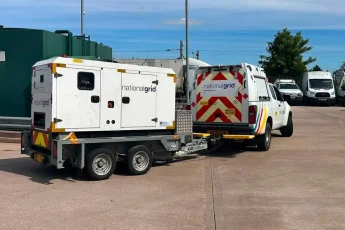
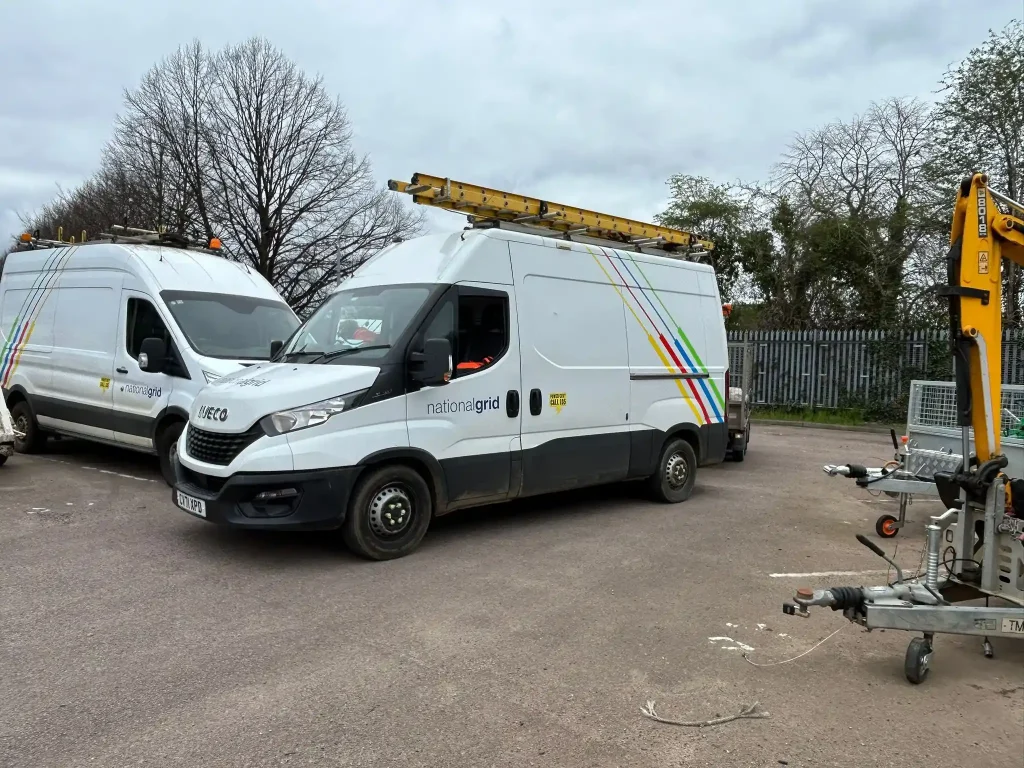
Alongside this, Beyond Driving has delivered trailer handling training for National Grid at several operational locations. These included a couple of days at the Worcester depot, a dedicated training day from the Gloucester depot, and a busy day in Lincoln delivering the Lantra Trailer Handling course for National Grid staff.
These courses reflect the range of environments in which professional drivers may be required to tow. A rural training site places different demands on the driver than a depot with marked bays, parked vehicles, equipment, buildings and other operational activity. Effective training needs to reflect that variety.
What does a Lantra Trailer Handling course cover?
The Lantra Trailer Handling course is designed for drivers who need to tow as part of their work and want a practical, recognised approach to developing competence. It is particularly useful for organisations whose staff operate vans, 4x4s, pickups or commercial vehicles with trailers attached.
Training typically includes a mixture of theory, safety awareness and hands-on driving practice. The exact content can be adapted to the client, vehicle type, trailer type and operating environment, but the focus remains on safe, controlled towing.
Key areas include:
Pre-use checks and trailer safety
Before any towing takes place, drivers need to know what to check. This includes the trailer coupling, breakaway cable, jockey wheel, tyres, lights, number plate, load security and general trailer condition.
These checks are simple, but they are often where preventable issues begin. A driver who understands what they are looking for is better placed to spot defects, report problems and avoid unsafe journeys.
Coupling and uncoupling
Correct coupling and uncoupling are essential parts of trailer safety. During training, drivers practise the process step by step so it becomes methodical rather than rushed.
This includes positioning the towing vehicle accurately, checking the hitch connection, securing the breakaway cable correctly, raising and securing the jockey wheel, connecting electrics and completing final checks before moving away.
Understanding trailer behaviour
A trailer changes how a vehicle moves. It affects acceleration, braking distance, turning circle, visibility and stability. Drivers also need to understand how trailer movements differ when reversing compared with driving forwards.
The course helps drivers build this understanding through practical exercises, allowing them to see how small steering inputs affect the trailer and how to correct positioning safely.
Reversing and manoeuvring
Reversing is often the part of trailer handling that causes the most uncertainty. It is also one of the most important skills for workplace towing, especially in yards, depots, farms, construction sites and service areas.
Our instructors help drivers break the process down into manageable stages, focusing on observation, slow-speed control, steering input and correction. The aim is not simply to complete one manoeuvre successfully, but to build a technique that can be repeated in real working environments.
Safe working around people and vehicles
Many trailer movements happen in shared spaces. Depots, yards and operational sites may include pedestrians, colleagues, contractors, parked vehicles and equipment. Drivers must be able to assess the area, use banksmen where appropriate, stop when unsure and avoid being pressured into a manoeuvre that is not safe.
This is where professional training adds real value. It gives drivers the confidence to pause, reset and make safer decisions.
Training for organisations with operational fleets
For companies such as National Grid and DeterTech, trailer handling is not an occasional leisure activity. It is part of operational readiness. Staff need to be able to tow safely, often while carrying equipment that is important to the job they are doing.
Beyond Driving’s approach is built around practical, workplace-relevant training. We do not believe in a one-size-fits-all session. Our instructors consider the vehicles, trailers, loads, locations and likely working scenarios faced by each client.
That means training can be delivered at or near the client’s own site, using familiar vehicles and trailers where appropriate. This helps drivers transfer what they learn directly into their day-to-day work.
Trailer training for pickups, vans and 4x4s
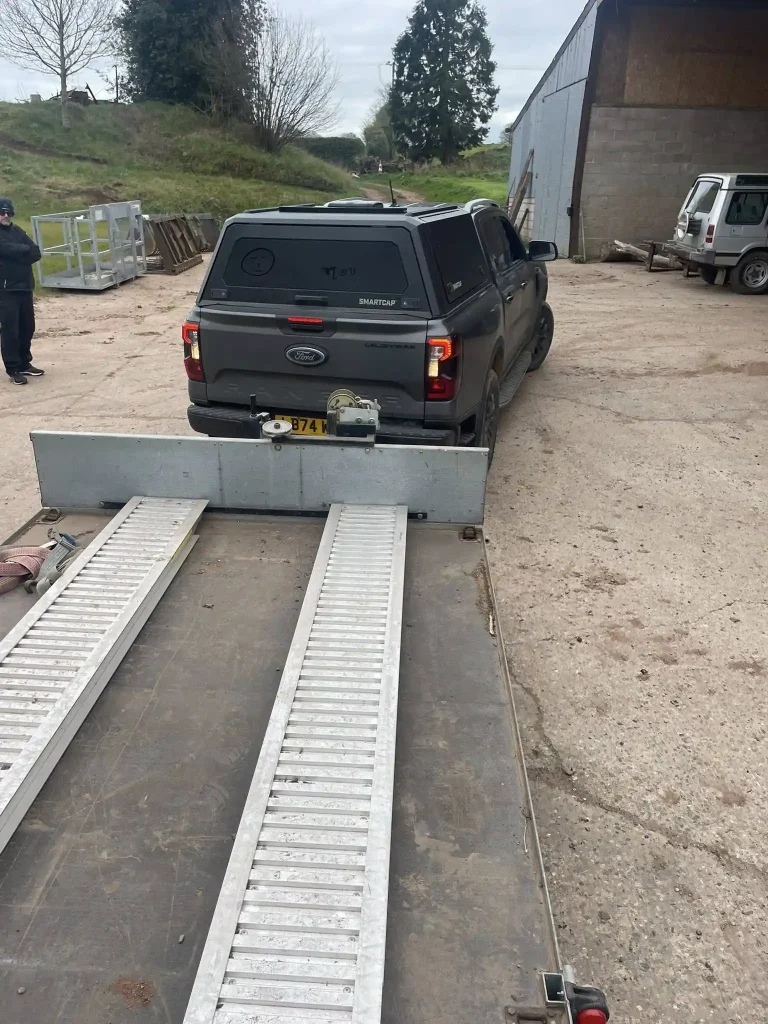
The recent courses have included a variety of towing combinations, from pickups and utility vehicles to larger vans and operational trailers. Each vehicle type brings its own considerations.
A pickup towing a flatbed trailer will behave differently from a van towing a plant trailer. A 4×4 operating on a rural site may involve different risks from a vehicle moving around a surfaced depot. Trailer dimensions, load height, visibility, overhang and turning space all influence how the driver should plan and execute each manoeuvre.
Beyond Driving’s instructors are experienced in working with these different vehicle and trailer combinations, which makes the course especially relevant for commercial and utility fleet operators.
Building driver competence, not just ticking a box
A good trailer handling course should do more than satisfy a training requirement. It should change how drivers think and behave when towing.
By the end of the session, drivers should feel more confident, but also more aware of the risks. Competence comes from knowing what to do, recognising when conditions are changing, and understanding when to stop and ask for assistance.
For employers, this can support wider fleet safety objectives, including reducing minor damage, improving compliance, protecting equipment and promoting a safer driving culture.
Who should attend trailer handling training?
Lantra Trailer Handling training is suitable for a wide range of drivers and organisations, including:
- Utility companies
- Security and monitoring teams
- Construction and infrastructure businesses
- Environmental and land-based organisations
- Local authorities
- Estate and facilities teams
- Agricultural and rural businesses
- Field service teams
- Any organisation whose staff tow trailers for work
It is particularly valuable for drivers who may have limited towing experience, those returning to towing after a break, or experienced drivers who would benefit from a more structured and consistent approach.
Why choose Beyond Driving?
Beyond Driving provides specialist driver training for organisations across the UK, with a strong focus on practical skills, safety and real-world application. Our instructor team understands the demands placed on professional drivers and the importance of training that is relevant to the environments they actually work in.
Recent Lantra Trailer Handling courses in Shropshire, Market Drayton, Worcester, Gloucester and Lincoln show how flexible delivery can support teams across multiple locations. Whether training takes place at a depot, rural site or dedicated training area, the aim is always the same: safer drivers, better control and greater confidence when towing.
Book trailer handling training for your team
If your staff tow trailers as part of their work, professional training can make a measurable difference. From coupling checks and reversing practice to depot manoeuvring and safe working procedures, Beyond Driving can deliver a course that reflects your vehicles, trailers and operational needs.
To discuss Lantra Trailer Handling training for your organisation, contact Beyond Driving and speak to our instructor team about courses available across the UK.
Frequently Asked Questions About Trailer Handling Training
Do I need trailer handling training?
While trailer handling training is not a legal requirement for every driver, employers have a duty under health and safety legislation to ensure staff are competent to carry out work safely. Professional trailer handling training helps reduce the risk of collisions, jack-knifing, reversing incidents and damage to valuable equipment. It is particularly beneficial for anyone towing as part of their job, whether occasionally or every day.
Can Beyond Driving deliver training using our own trailer?
Yes. Wherever possible, Beyond Driving delivers training using your own towing vehicle and trailer. This ensures drivers develop confidence with the equipment they will use in their day-to-day role, whether that is a generator trailer, cable trailer, plant trailer, welfare unit, livestock trailer or other specialist equipment. If required, we can also provide suitable training vehicles and trailers.
Is Lantra Trailer Handling certification nationally recognised?
Yes. Lantra is one of the UK’s leading awarding bodies for land-based and industrial training. Successful candidates receive nationally recognised certification, providing employers with evidence that staff have completed professional trailer handling training and have demonstrated the required knowledge and practical skills.
Can training be delivered at our depot or workplace?
Absolutely. Beyond Driving delivers trailer handling training throughout the UK and can conduct courses at your depot, workplace or operational site. Training on your own premises allows candidates to practise in familiar surroundings using their own vehicles and trailers, making the learning directly relevant to their daily responsibilities.
Can you provide training for towing heavy equipment such as generators?
Yes. Beyond Driving regularly delivers trailer handling training for organisations towing heavy equipment, including generators, compressors, pumps, cable reels and other specialist utility assets. The course covers safe coupling and uncoupling, load security, vehicle and trailer checks, reversing techniques, manoeuvring in confined spaces and safe towing on public roads and work sites.
What types of vehicles can be used for trailer handling training?
Training can be delivered using a wide range of towing vehicles, including 4x4s, pick-up trucks, vans, SUVs and other commercial vehicles. Courses are tailored to the type of vehicle and trailer used by your organisation, ensuring drivers gain practical experience with the equipment they are expected to operate.
Is the course suitable for organisations with mixed experience levels?
Yes. Whether your staff are new to towing or experienced drivers looking for refresher training, the course can be adapted to individual ability. Our instructors tailor the training to build confidence while ensuring every candidate develops safe, efficient and compliant towing techniques.
Which organisations typically benefit from trailer handling training?
Our trailer handling courses are used by a wide range of organisations, including utility companies, telecommunications providers, local authorities, infrastructure contractors, environmental organisations, construction companies, emergency services, estates teams and event businesses. Any organisation whose employees tow trailers as part of their work can benefit from professional trailer handling training.