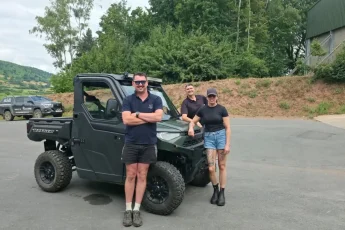
Beyond Driving supports London Ambulance Service HART teams with annual Polaris UTV and winch refresher training in Kent.
For professionals who operate specialist off-road vehicles and recovery equipment, completing an initial training course is only the beginning. Maintaining those skills through regular refresher training is an important part of ensuring that operators remain competent, confident and prepared for the challenges they may encounter in the workplace.
This is particularly relevant to emergency services, where personnel may be required to operate vehicles and equipment in difficult terrain, under pressure and in circumstances where safety is paramount.
Beyond Driving has recently begun its annual Polaris UTV and winch refresher training programme for the London Ambulance Service NHS Trust Hazardous Area Response Team (HART), with the first two days of training taking place in Kent.
The programme provides an opportunity for experienced operators to revisit essential techniques, practise their skills in realistic conditions and reinforce the safe operating procedures required for specialist emergency response operations.
Why Is Refresher Training Important for Professional Vehicle Operators?
Skills that are not used regularly can deteriorate over time. Even experienced operators can become less familiar with particular vehicle controls, operating procedures or equipment if they have limited opportunities to practise.
For organisations operating specialist vehicles, this presents an important consideration. An employee may have completed their initial training and demonstrated competence, but maintaining that competence requires continued attention.
Refresher training helps address this by allowing operators to revisit established procedures, identify areas where additional practice may be beneficial and remain familiar with the equipment they are expected to use.
It can also provide an opportunity to reinforce safe working practices and address changes in equipment, operating procedures or organisational requirements.
For emergency response teams, this is especially valuable. When specialist equipment is needed, operators must be able to apply their training without unnecessary hesitation.
Annual Polaris UTV Refresher Training for London Ambulance Service HART
The accompanying training photographs show Polaris UTV operation on woodland tracks and winch recovery practice in Kent.
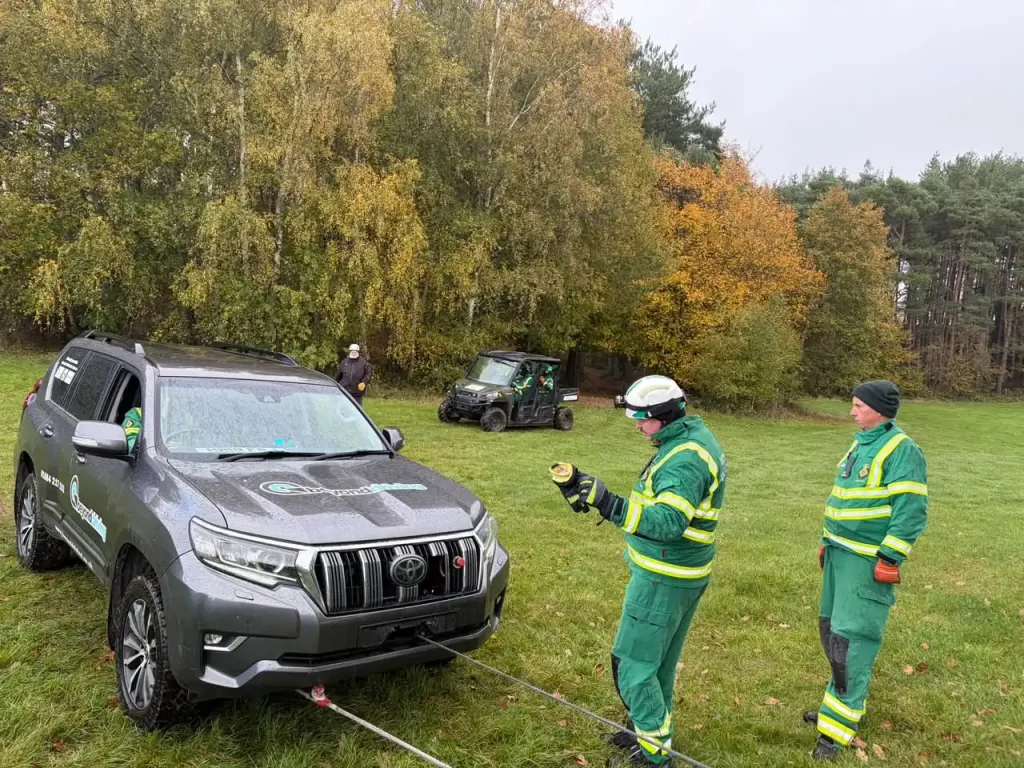
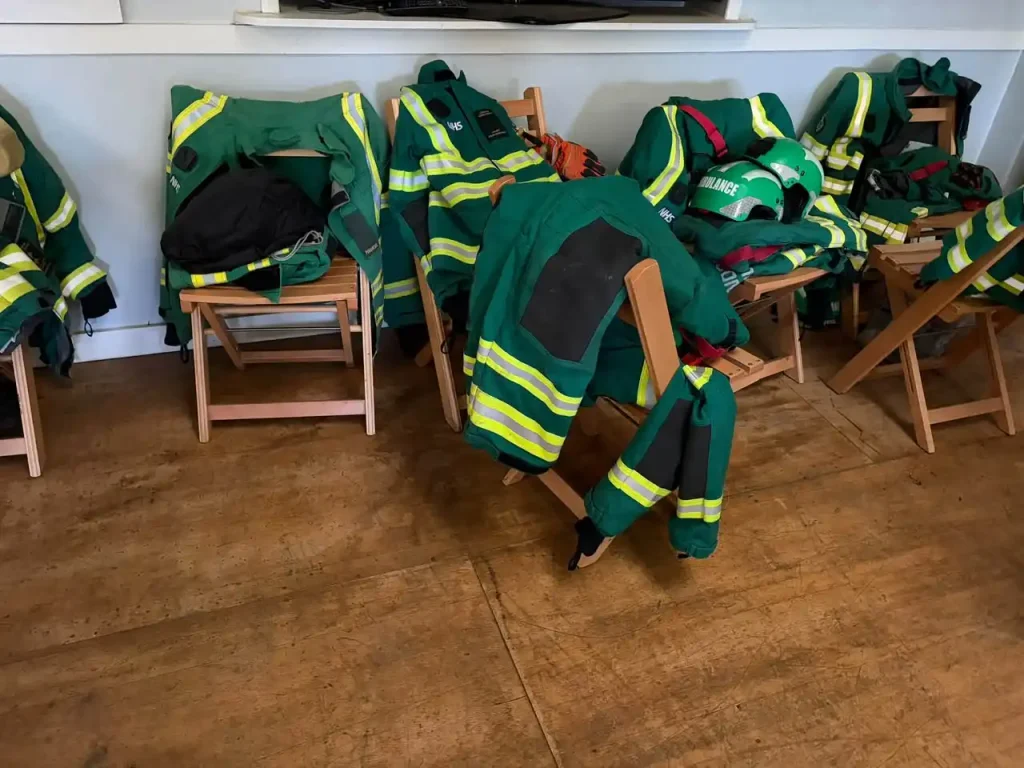
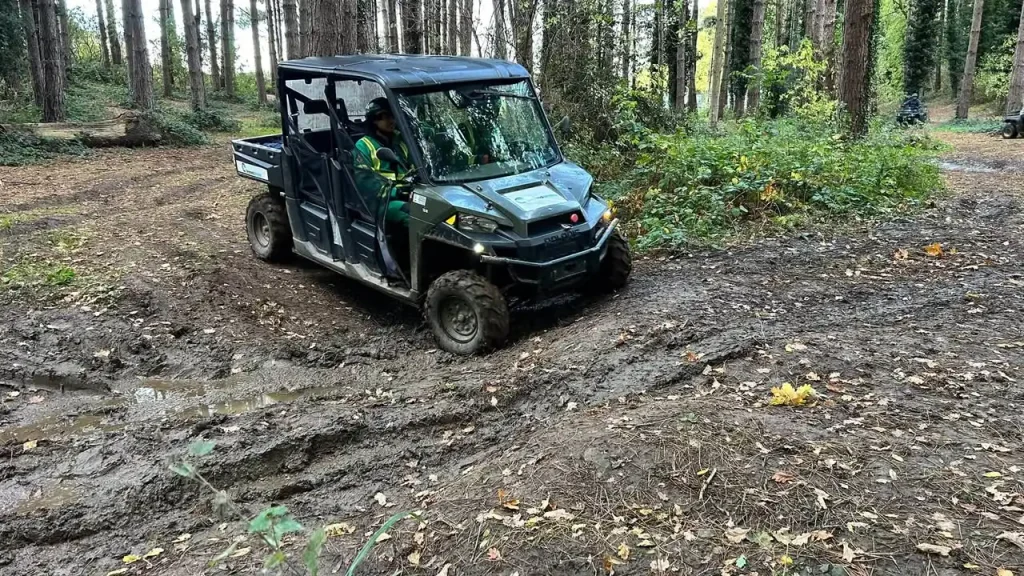
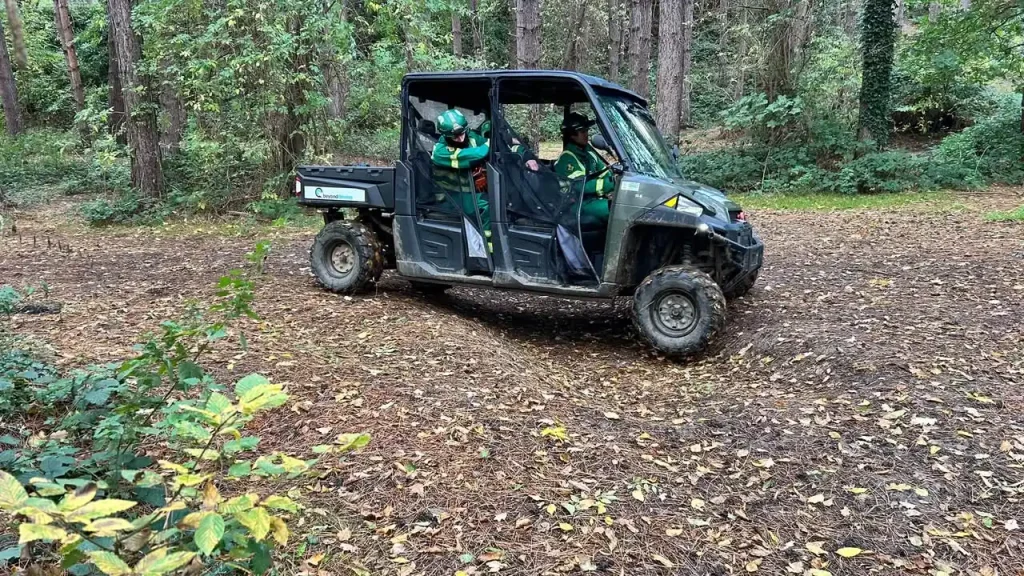
The recent training delivered by Beyond Driving for London Ambulance Service HART demonstrates how practical refresher training can support teams operating in demanding environments.
HART personnel are trained to respond to incidents involving hazardous or challenging conditions, including locations that may be difficult to access using conventional ambulances.
Specialist utility terrain vehicles (UTVs), such as the Polaris vehicles used during the training, can provide a means of travelling across terrain that would be unsuitable for standard road vehicles.
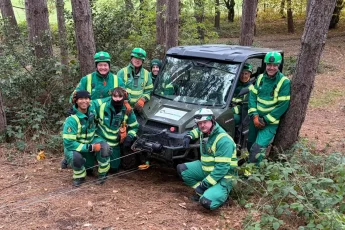
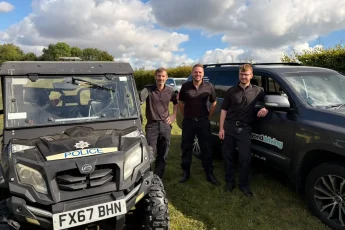
The photographs from the Kent training sessions show HART personnel operating a Polaris side-by-side UTV along woodland tracks, negotiating muddy and uneven ground, and working together during practical exercises.
These conditions provide a useful environment for revisiting important operating skills, including vehicle positioning, speed control, observation and assessing the terrain ahead.
Unlike a classroom-only refresher, practical training allows operators to apply their existing knowledge while receiving feedback from an experienced instructor.
Preventing Skill Fade Through Practical Training
One of the principal reasons for undertaking refresher training is to reduce the effects of skill fade.
This can be particularly relevant where specialist vehicles are used intermittently rather than every day.
For example, a HART operator may be familiar with driving conventional road vehicles but have fewer opportunities to operate a Polaris UTV across challenging off-road terrain.
Regular practical training helps operators maintain familiarity with the different handling characteristics of these vehicles.
During refresher sessions, important considerations can include:
- Selecting appropriate speeds for changing ground conditions.
- Understanding traction and maintaining vehicle control on slippery surfaces.
- Negotiating ruts, uneven tracks and restricted routes.
- Maintaining awareness of vehicle dimensions and surrounding obstacles.
- Communicating effectively with passengers and other team members.
- Recognising when terrain or conditions exceed the safe operating limits of the vehicle.
The woodland environment used during the Kent training provides opportunities to revisit these skills on surfaces where mud, fallen leaves, exposed roots and changing ground conditions can affect traction.
The objective is not simply to demonstrate that an operator can drive the vehicle. It is to reinforce the judgement and techniques required to operate it safely.
Maintaining Winch Operation and Recovery Skills
Alongside Polaris UTV operation, Beyond Driving’s annual programme includes winch refresher training.
Winching is a specialist activity where correct equipment selection, preparation, communication and safe working practices are essential.
Unlike routine driving, winch recovery may be required only occasionally. This makes regular opportunities to revisit recovery procedures particularly important.
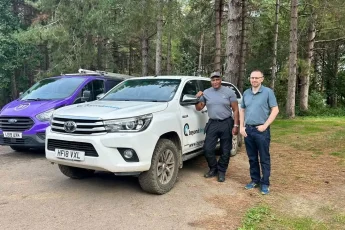
The photographs from the training show HART personnel working with a winch-equipped Toyota Land Cruiser, with recovery lines extending from the front of the vehicle across an open grassed area.
The exercise provides a practical setting for revisiting the principles of safe winch operation and the importance of working together during recovery activities.
Refresher training can reinforce important areas such as equipment inspection, understanding winch limitations, establishing appropriate exclusion zones, selecting suitable recovery arrangements and maintaining clear communication between those involved.
It also provides an opportunity to revisit the risks associated with tensioned recovery equipment and the importance of following an agreed recovery plan.
For emergency response personnel, these are skills that need to remain familiar even when opportunities to use them operationally are limited.
The Importance of Teamwork and Communication
Specialist vehicle operation is not always an individual activity.
For emergency response teams, safe and effective deployment often depends on personnel working together, understanding their responsibilities and communicating clearly.
The Kent training photographs show HART personnel operating vehicles with colleagues on board, as well as working together around recovery equipment.
These activities highlight an important benefit of refresher training: it provides an opportunity to practise as a team rather than concentrating exclusively on individual operator skills.
Effective communication is particularly important during winch operations, where the actions of one person can affect the safety of everyone involved.
Refresher training helps reinforce established procedures and encourages personnel to approach specialist vehicle operation with a shared understanding of safe working practices.
Supporting Organisational Health and Safety Responsibilities
For employers, refresher training is an important component of a wider approach to managing operational risk.
Initial training establishes a foundation of knowledge and practical skills. However, organisations also need to consider whether those skills remain appropriate for the work being undertaken.
Regular refresher training can support this process by providing opportunities to review operator competence, reinforce safe systems of work and identify any additional training needs.
This is particularly relevant where employees operate specialist equipment, work in challenging environments or undertake activities that carry additional risks.
The appropriate frequency of refresher training will depend on factors such as the equipment involved, how frequently it is used, the operating environment and the organisation’s own risk assessments.
For London Ambulance Service HART, the annual programme delivered by Beyond Driving demonstrates a structured approach to maintaining specialist vehicle and winch operating skills.
Refresher Training Using Familiar Equipment
An important consideration when planning refresher training is the equipment used during the course.
Where possible, training with vehicles and equipment that operators are already familiar with can help reinforce the procedures and practical skills relevant to their operational duties.
The recent HART sessions involve Polaris UTVs and winch-equipped 4×4 vehicles, allowing participants to practise techniques associated with these types of specialist equipment.
Familiarity with vehicle controls, operating characteristics, safety equipment and recovery arrangements can be particularly valuable when personnel are required to use these resources in challenging circumstances.
Beyond Driving can work with organisations to establish refresher programmes that reflect their operational requirements, the experience of their personnel and the types of vehicles and equipment involved.
Refresher Training for Emergency Services and Commercial Organisations
Although the recent Kent programme involves London Ambulance Service HART, the importance of maintaining specialist vehicle skills extends across many sectors.
Utility companies, infrastructure contractors, environmental organisations, forestry operators and emergency services may all employ personnel who need to operate off-road vehicles or specialist recovery equipment.
In many cases, these activities form only one part of an employee’s wider responsibilities.
A member of an infrastructure maintenance team, for example, may need to operate a 4×4 vehicle to access a remote site, while a conservation worker may use a UTV to transport equipment across uneven ground.
Where these tasks are undertaken infrequently, refresher training can be particularly useful in maintaining competence.
Beyond Driving delivers professional driver and operator training across the UK, supporting organisations with both initial training and ongoing skills development.
Planning an Effective Refresher Training Programme
An effective refresher programme should take account of the experience of the operators, the equipment they use and the conditions in which they work.
Rather than simply repeating an initial training course, a well-planned refresher can concentrate on reinforcing existing skills, reviewing safe operating procedures and addressing areas where further practice may be beneficial.
For organisations managing multiple operators, a structured approach can also help ensure that training requirements are reviewed consistently.
The annual programme for London Ambulance Service HART illustrates how refresher training can form part of an ongoing commitment to maintaining operational capability.
By returning to practical training regularly, experienced operators have the opportunity to revisit essential techniques and maintain familiarity with the vehicles and equipment they may be called upon to use.
See how these principles are applied in practice in our latest bespoke Polaris UTV and winch recovery training programme for London Ambulance Service HART teams in Kent and Berkshire.
Keep Your Team’s Skills Current with Beyond Driving
Initial training provides the foundations for safe specialist vehicle operation. Refresher training helps ensure those foundations remain strong.
Whether your organisation operates Polaris UTVs, 4×4 vehicles, winches or other specialist off-road equipment, maintaining operator competence should be an ongoing consideration.
Beyond Driving provides professional training for organisations across the UK, including bespoke refresher programmes designed around operational requirements.
To discuss refresher training for your team, visit our UTV operator training and winch operation training pages, or contact Beyond Driving to discuss your organisation’s requirements.